
Jesper's Wholemeal Buns 10cm 75 g
Jesper's
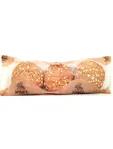
Jesper's Wholemeal Buns 10cm comes in a 75 g pack. It is sold under the Jesper's brand. On Mamori it sits under Bakery › Buns & Rolls › Burger Buns. Its label lists 29 ingredients.
Jesper's Wholemeal Buns 10cm at a glance
Jesper's Wholemeal Buns 10cm fits Vegan + Dairy and Vegan + Eggs diets. It also carries the Crustaceans Free, Egg Free, Peanut Free, Tree Nut Free, Celery Free, Mustard Free, Sesame Free, Sulfite Free, Mollusks Free, Artificial Flavourings Free, Gelatin Free, Lactose Free and Latex Free badges. Nutrition-wise, it's High Fiber, Low Salt/Sodium, Low Saturated Fat, Low Sugars, High Carbs, Medium in Protein and Medium in Calories. Worth knowing: it's marked Non-Vegan, Non-Vegetarian, Non-Pescatarian, Non-Low FODMAP, Contains Gluten, Contains Additives, Contains Barley, Contains Beef, Contains Citrus Fruit, Contains Corn, Contains Emulsifier, Contains Fructose, Contains Added Sugars, Contains Oats, Contains Pork, Contains Poultry, Contains Rice, Contains Rye, Contains Seed and Contains Wheat.
Diet and allergens
Not suitable for vegan, vegetarian or pescatarian diets.
Contains gluten.
Free from crustaceans, eggs, peanuts, tree nuts, celery, mustard, sesame, sulphites and molluscs.
Based on Mamori's check of the ingredients on the label. Recipes change, so always read the pack if you have an allergy or intolerance.
Size: 75 g
Last updated 26 October 2026
Ingredients
Wheat Flour, Water, Wheat Groats, Wheat Bran, Wheat Semolina Bran, Oat Flakes, Sunflower Oil, Sugar, Salt, Wheat Gluten, Emulsifier E481, Acidity Regulators, E170, E341, Wheat Malt Flour, Enzymes, Flour Treatment Agent E300, Enzyme, Amylase, Wheat, Yeast, Saccharomyces Cerevisiae, Emulsifier E491, Additive, Wheat Bran, Malt Extract, Barley Malt, Water, Preservative: Calcium Propionate E282
Additives
- E481: Sodium Stearoyl-2-Lactylate: Some concerns
Sodium stearoyl-2-lactylate (E481) is an emulsifier and stabiliser made by combining stearic acid with lactic acid, then forming the sodium salt. The stearic acid can come from vegetable or animal fats.
It helps oil and water mix, strengthens dough, improves texture, and can help foods stay soft for longer. It is used especially in bread and bakery products, and may also be found in some desserts, processed potato products, and emulsified foods.
It is allowed in food, but some concerns have been raised. EFSA found that people who eat a lot of foods containing it could go over the safe daily amount.
- E170: Calcium Carbonate, Chalk: Generally safe
Calcium carbonate (E170), also known as chalk, is a naturally occurring mineral made of calcium, carbon and oxygen. For food use it is purified, and it may come from sources such as limestone or shells.
It is mainly used as a white colourant, but it can also help with acidity control, anti-caking, or as a calcium source in some foods. It may be found in confectionery, chewing gum, bakery products, decorations and some supplements or fortified foods.
It is generally considered safe at normal food amounts. It is authorised for use in the EU after safety assessment, and the sources checked raise no concern for typical dietary exposure.
- E341: Calcium Phosphates (I) Monocalcium Phosphate (Ii) Dicalcium Phosphate (Iii) Tricalcium Phosphate: Some concerns
Calcium phosphates (E341) are mineral salts of calcium and phosphate. The group includes monocalcium phosphate, dicalcium phosphate and tricalcium phosphate, and they are forms of the same nutrients found naturally in bones and teeth.
They are used to control acidity, help powders flow, support raising agents, and sometimes add calcium. They can be found in foods such as flour mixes, baked goods, powdered drinks, processed cheese, and some supplements or fortified foods.
They are allowed in food, but there are some concerns. EFSA found that people who eat a lot of foods containing phosphate additives can exceed the safe daily amount, and people with kidney disease are often advised to limit phosphate intake.
- E300: Ascorbic Acid (Vitamin C): Generally safe
Ascorbic acid (E300) is vitamin C, a water-soluble substance found naturally in many fruits and vegetables. As a food additive, it is usually made by controlled industrial production and used in purified form.
It helps prevent oxidation, which can stop foods from browning or developing off-flavours. It can also adjust acidity. It is used in a range of foods, especially fruit products, drinks, bakery products, meat products and foods where colour or freshness needs protecting.
It is generally considered safe at normal food amounts. It is authorised for use in the EU after safety assessment, and EFSA’s re-evaluation did not raise concern for its use as a food additive.
- E1100: Amylase: Generally safe
Amylase, sometimes linked with E1100, is a food enzyme rather than a food additive under EU law. It is a protein enzyme that breaks down starch into smaller sugars, and may be obtained from plants, animals or microorganisms.
It is used to help process starchy foods. Typical uses include bread-making, brewing, and the production of syrups or other foods where starch needs to be broken down.
It is generally considered safe when used as intended. In the EU, amylase is regulated under the separate rules for food enzymes, not as a listed food additive.
- E408: Bakers Yeast Glycan: Not allowed in the EU (Regulation (EC) No 1333/2008, Article 4(1) and Annex II)
Bakers yeast glycan, E408, is a carbohydrate fibre made from the cell walls of baker’s yeast, usually Saccharomyces cerevisiae. It is mainly made up of glucans, a type of polysaccharide.
In food, it can help thicken, stabilise, or emulsify mixtures, improving texture and helping ingredients stay evenly mixed. Additives with these functions may be used in products such as sauces, dressings, desserts, or processed foods where a smooth, stable texture is needed.
Its safety is not rated here. It is allowed in the EU within set limits, meaning its use is regulated for specific food applications and maximum levels.
- E491: Sorbitan Monostearate: Some concerns
Sorbitan monostearate (E491) is an emulsifier and stabiliser made from sorbitol and stearic acid. The stearic acid may come from vegetable or animal fats, depending on the manufacturer.
It helps oil and water mix, improves texture, and helps keep foods stable. It may be used in products such as cakes, desserts, confectionery, emulsified sauces, and some fat-based or aerated foods.
It is allowed in food, but some concerns have been raised. EFSA found that people who eat a lot of foods containing sorbitan esters, including E491, can go over the safe daily amount.
- E282: Calcium Propionate: Generally safe
Calcium propionate (E282) is the calcium salt of propionic acid, a short-chain organic acid that also occurs naturally in some foods and during fermentation. It is used as a preservative.
It helps stop mould and some bacteria from growing, especially in bakery products. It is commonly used in bread, rolls, cakes, pastries and other baked goods where longer shelf life is useful.
Calcium propionate is generally considered safe at normal food levels. It is authorised for use in the EU, and EFSA’s re-evaluation of propionates did not raise a concern for typical dietary exposure.
Questions and answers
Is Jesper's Wholemeal Buns 10cm vegan?
No. It is not suitable for a vegan diet.
Is Jesper's Wholemeal Buns 10cm vegetarian?
No. It is not suitable for a vegetarian diet.
Is Jesper's Wholemeal Buns 10cm suitable for a pescatarian diet?
No. It is not suitable for a pescatarian diet.
Is Jesper's Wholemeal Buns 10cm suitable for a Low FODMAP diet?
No. It is not suitable for a Low FODMAP diet.
Is Jesper's Wholemeal Buns 10cm suitable for a Vegan + Dairy diet?
Yes. It is suitable for a Vegan + Dairy diet.
Is Jesper's Wholemeal Buns 10cm suitable for a Vegan + Eggs diet?
Yes. It is suitable for a Vegan + Eggs diet.
Is Jesper's Wholemeal Buns 10cm gluten-free?
No. It contains gluten.
Is Jesper's Wholemeal Buns 10cm nut-free?
Yes. Its ingredients include no peanuts or tree nuts, and its label gives no nut warning.
Does Jesper's Wholemeal Buns 10cm contain eggs?
No. Its ingredients include no eggs, and its label gives no egg warning.
Which allergens does Jesper's Wholemeal Buns 10cm contain?
It contains gluten.