
Yutaka Japanese Style Curry 100 g
Yutaka
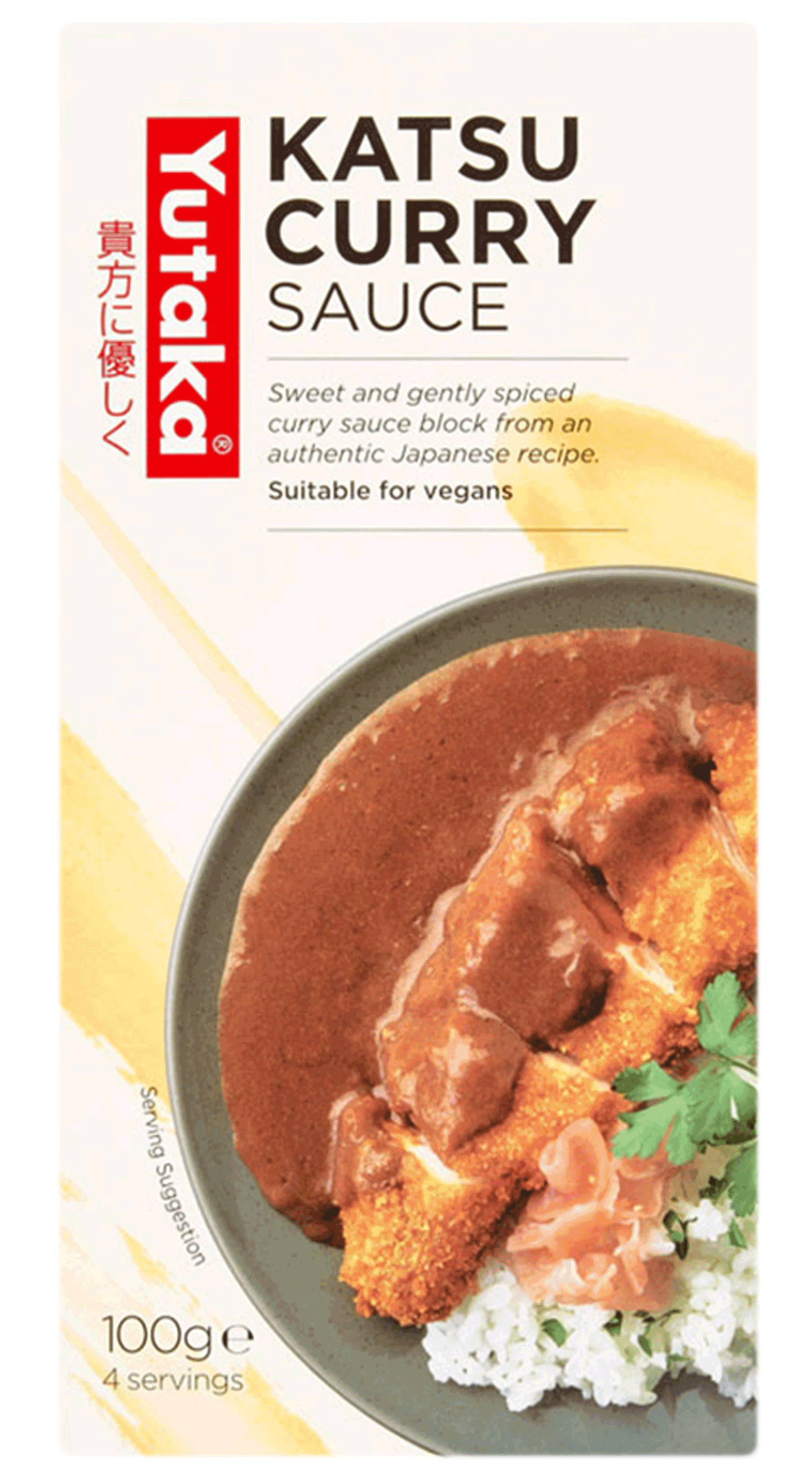
Yutaka Japanese Style Curry comes in a 100 g pack. It is sold under the Yutaka brand. On Mamori it sits under Groceries › Soups & Ready Meals › Ready Meal. Its label lists 24 ingredients.
Yutaka Japanese Style Curry at a glance
Yutaka Japanese Style Curry fits Vegetarian, Pescatarian, Vegan + Dairy and Vegan + Eggs diets. It also carries the Crustaceans Free, Egg Free, Fish Free, Peanut Free, Dairy Free, Tree Nut Free, Celery Free, Mustard Free, Sesame Free, Sulfite Free, Lupin Free, Mollusks Free, Barley Free, Beef Free, Citrus Fruit Free, Gelatin Free, Lactose Free, Latex Free, Oats Free, Pork Free, Poultry Free, Rice Free and Rye Free badges. Nutrition-wise, it's High Calorie, High Carbs, High Salt/Sodium, High Saturated Fat, Medium in Fiber, Medium in Protein and Medium in Sugars. Worth knowing: it's marked Non-Vegan, Non-Low FODMAP, Contains Gluten, Contains Soy, Contains Additives, Contains Artificial Flavourings, Contains Corn, Contains Emulsifier, Contains Fructose, Contains Added Sugars, Contains Seed and Contains Wheat.
Diet and allergens
Suitable for vegetarian and pescatarian diets.
Not suitable for a vegan diet.
Contains gluten and soy.
Free from crustaceans, eggs, fish, peanuts, milk, tree nuts, celery, mustard, sesame, sulphites, lupin and molluscs.
Based on Mamori's check of the ingredients on the label. Recipes change, so always read the pack if you have an allergy or intolerance.
Size: 100 g
Last updated 13 November 2026
Ingredients
Vegetable Oils, soybean oil, Coconut Oil, Wheat Flour, salt, Curry Spice Mix, Coriander, turmeric, black pepper, cumin, Cardamom, Chilli, cloves, cinnamon, sugar, Corn Starch, colour: plain caramel, Onion Powder, Flavour Enhancers, monosodium glutamate, Disodium guanylate, malic acid, hydrolysed soy protein, chilli powder
Additives
- E150A: Plain Caramel (E150a): Generally safe
Plain caramel, or E150a, is a brown food colour made by heating sugars under controlled conditions. It is the simplest type of caramel colour and is not the same as caramel flavour or caramel used as a sweet.
It is used to give foods and drinks a brown colour or to make colour more consistent. It can be found in products such as soft drinks, sauces, bakery products, confectionery and some processed foods.
Plain caramel is generally considered safe. It is allowed in food in the EU after safety assessment, and EFSA found no risk of people eating too much from normal dietary exposure.
- E621: monosodium glutamate: Some concerns
Monosodium glutamate, or MSG (E621), is the sodium salt of glutamic acid, an amino acid found naturally in many foods. It is made as a purified flavour enhancer.
It boosts savoury “umami” taste and is used in foods such as soups, sauces, seasonings, savoury snacks, ready meals and processed meat or vegetable dishes.
It is allowed in food, but some concerns have been raised. EFSA found that people who eat a lot of foods containing glutamates can go over the safe daily amount, so exposure may be high for frequent consumers.
- E627: Disodium Guanylate: Generally safe
Disodium guanylate (E627) is a flavour enhancer made from guanylic acid, a substance related to natural nucleotides found in living cells. It can be produced by fermentation or extracted from natural sources, and may sometimes be animal derived.
It is used to boost savoury, meaty or “umami” flavours, often together with monosodium glutamate (MSG). It may be found in foods such as soups, sauces, seasonings, savoury snacks, instant noodles and processed meat products.
E627 is generally considered safe at normal amounts used in food. It is authorised for use in the EU after safety assessment, and the sources checked raise no concern for typical dietary exposure.
- E296: Malic Acid (Acid): Generally safe
Malic acid (E296) is an acid naturally found in many fruits, especially apples. For food use, it is usually made by industrial fermentation or chemical production and is used as a food acid.
It adds a sharp, fruity sour taste and helps control acidity in foods and drinks. It may be found in sweets, soft drinks, jams, fruit products, desserts and some processed foods where a tart flavour or acidity control is needed.
It is generally considered safe at normal food amounts. It is allowed in the EU after safety assessment, and the sources checked raise no concern for typical use.
Questions and answers
Is Yutaka Japanese Style Curry vegan?
No. It is not suitable for a vegan diet.
Is Yutaka Japanese Style Curry vegetarian?
Yes. It is suitable for a vegetarian diet.
Is Yutaka Japanese Style Curry suitable for a pescatarian diet?
Yes. It is suitable for a pescatarian diet.
Is Yutaka Japanese Style Curry suitable for a Low FODMAP diet?
No. It is not suitable for a Low FODMAP diet.
Is Yutaka Japanese Style Curry suitable for a Vegan + Dairy diet?
Yes. It is suitable for a Vegan + Dairy diet.
Is Yutaka Japanese Style Curry suitable for a Vegan + Eggs diet?
Yes. It is suitable for a Vegan + Eggs diet.
Is Yutaka Japanese Style Curry gluten-free?
No. It contains gluten.
Does Yutaka Japanese Style Curry contain milk?
No. Its ingredients include no milk, and its label gives no milk warning.
Is Yutaka Japanese Style Curry nut-free?
Yes. Its ingredients include no peanuts or tree nuts, and its label gives no nut warning.
Does Yutaka Japanese Style Curry contain eggs?
No. Its ingredients include no eggs, and its label gives no egg warning.
Which allergens does Yutaka Japanese Style Curry contain?
It contains gluten and soy.
More in Ready Meal
- Kania Risotto
- Waistnot Chicken Korma
- schwartz Cottage Pie
- Iceland takeaway Creamy butter chicken
- Zott Slices Sandwich
- Idahoan Buttery Mash Gf
- Loma Linda Tikka Masala
- Valfrutta Bulgur Quinoa Red Rice
- Valfrutta Cous Cous Carrots Peas Zucchini Peppers
- Real Thai Red Curry With Veg
- Princes Mild Chicken Curry
- Nb Idahoan Perfect Mash Roasted Garlic