
Simmenthal
Simmenthal
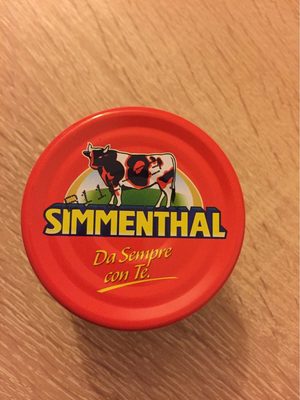
Simmenthal is listed on Mamori. It is sold under the Simmenthal brand. On Mamori it sits under Meat and Seafood › Fresh Meats › Beef. Its label lists 3 ingredients.
Simmenthal at a glance
Simmenthal fits a Low FODMAP diet. It also carries the Gluten Free, Crustaceans Free, Egg Free, Fish Free, Peanut Free, Soy Free, Dairy Free, Tree Nut Free, Celery Free, Mustard Free, Sesame Free, Sulfite Free, Lupin Free, Mollusks Free, Artificial Flavourings Free, Barley Free, Citrus Fruit Free, Corn Free, Fructose Free, Lactose Free, Latex Free, No Added Sugars, Oats Free, Poultry Free, Rice Free, Rye Free, Seed Free and Wheat Free badges. Nutrition-wise, it's High Protein, Low Carbs, Low Sugars, Low Fiber, High Salt/Sodium, Medium in Calories and Medium Saturated Fat. Worth knowing: it's marked Non-Vegan, Non-Vegetarian, Non-Pescatarian, Non-Vegan + Dairy, Non-Vegan + Eggs, Contains Additives, Contains Beef, Contains Emulsifier, Contains Gelatin and Contains Pork.
Diet and allergens
Not suitable for vegan, vegetarian or pescatarian diets.
Free from all 14 major allergens: gluten, crustaceans, eggs, fish, peanuts, soy, milk, tree nuts, celery, mustard, sesame, sulphites, lupin and molluscs.
Based on Mamori's check of the ingredients on the label. Recipes change, so always read the pack if you have an allergy or intolerance.
Last updated 26 October 2026
Ingredients
L-Theanine, gelatin, magnesium stearate
Additives
- E441: Gelatine (Emulsifier): Generally safe
Gelatine, sometimes listed as E441, is a protein-based ingredient made by processing collagen from animal skin, bones and connective tissue, usually from pigs or cattle.
It helps foods set, thicken, stabilise or give a smooth texture. It is commonly used in jellies, marshmallows, gummy sweets, desserts, yoghurts and some low-fat spreads or meat products.
It is generally considered safe for most people. Under EU law, edible gelatine is treated as a food ingredient rather than a food additive, so it is not classed as an additive in Regulation (EC) No 1333/2008.
- E572: Magnesium Stearate, Calcium Stearate (Emulsifier): Not allowed in the EU (Regulation (EC) No 1333/2008, Article 4(1) and Annex II)
Magnesium stearate and calcium stearate, E572, are salts of stearic acid, a fatty acid found in vegetable and animal fats. They are waxy, powdery substances used in very small amounts.
In food, E572 is mainly used as an anti-caking agent, flow aid, or emulsifier. It helps powders stay free-flowing and can help ingredients mix more evenly. It may be used in powdered foods, food supplements, tablets, and some processed products where smooth handling is needed.
E572 is allowed in the EU within set limits. Its safety is assessed through normal food additive controls, but this app has not rated it yet.
Questions and answers
Is Simmenthal vegan?
No. It is not suitable for a vegan diet.
Is Simmenthal vegetarian?
No. It is not suitable for a vegetarian diet.
Is Simmenthal suitable for a pescatarian diet?
No. It is not suitable for a pescatarian diet.
Is Simmenthal suitable for a Low FODMAP diet?
Yes. It is suitable for a Low FODMAP diet.
Is Simmenthal suitable for a Vegan + Dairy diet?
No. It is not suitable for a Vegan + Dairy diet.
Is Simmenthal suitable for a Vegan + Eggs diet?
No. It is not suitable for a Vegan + Eggs diet.
Is Simmenthal gluten-free?
Yes. Its ingredients include no gluten, and its label gives no gluten warning.
Does Simmenthal contain milk?
No. Its ingredients include no milk, and its label gives no milk warning.
Is Simmenthal nut-free?
Yes. Its ingredients include no peanuts or tree nuts, and its label gives no nut warning.
Does Simmenthal contain eggs?
No. Its ingredients include no eggs, and its label gives no egg warning.