
Dan Cake Pita protein 400 g
Dan Cake
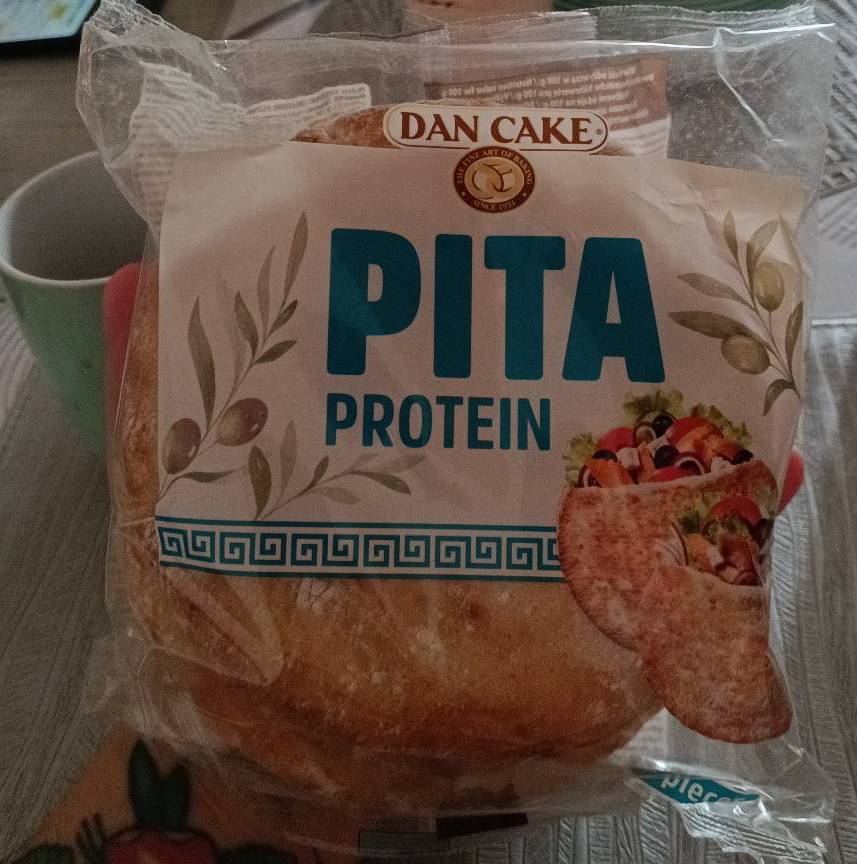
Dan Cake Pita protein comes in a 400 g pack. It is sold under the Dan Cake brand. On Mamori it sits under Bakery › Bread. Its label lists 15 ingredients.
Dan Cake Pita protein at a glance
Dan Cake Pita protein fits Vegetarian, Pescatarian, Vegan + Dairy and Vegan + Eggs diets. It also carries the Crustaceans Free, Egg Free, Fish Free, Peanut Free, Dairy Free, Tree Nut Free, Celery Free, Sesame Free, Mollusks Free, Artificial Flavourings Free, Barley Free, Beef Free, Citrus Fruit Free, Corn Free, Fructose Free, Gelatin Free, Lactose Free, Latex Free, No Added Sugars, Oats Free, Pork Free, Poultry Free, Rice Free and Rye Free badges. Nutrition-wise, it's Low Saturated Fat, High Carbs, Medium in Fiber, Medium in Protein, Medium in Calories, Medium Salt/Sodium and Medium in Sugars. Worth knowing: it's marked Non-Vegan, Non-Low FODMAP, Contains Gluten, Contains Soy, Contains Additives, Contains Emulsifier, Contains Seed and Contains Wheat.
Diet and allergens
Suitable for vegetarian and pescatarian diets.
Not suitable for a vegan diet.
Contains gluten and soy.
Free from crustaceans, eggs, fish, peanuts, milk, tree nuts, celery, sesame and molluscs.
May contain: lupin, mustard.
Based on Mamori's check of the ingredients on the label. Recipes change, so always read the pack if you have an allergy or intolerance.
Size: 400 g
Last updated 2 November 2026
Ingredients
wheat flour, water, whole wheat flour, wheat protein, wine vinegar, dietary fiber, soy protein, yeast, salt, sunflower oil, acidity regulator: citric acid, preservatives, calcium propionate, sorbic acid, baking enzymes
Additives
- E330: Citric Acid: Generally safe
Citric acid (E330) is a natural organic acid found in citrus fruits and many other plants. The citric acid used in food is usually made by fermentation of sugars using micro-organisms.
It is used as an acidity regulator and antioxidant. It helps give a sharp, sour taste, control pH, and slow colour or flavour changes. It is common in soft drinks, sweets, jams, sauces, canned foods, and many processed foods.
Citric acid is generally considered safe at normal food levels. It is allowed in food in the EU after safety assessment, and the sources checked raise no concern for typical dietary amounts.
- E282: Calcium Propionate: Generally safe
Calcium propionate (E282) is the calcium salt of propionic acid, a short-chain organic acid that also occurs naturally in some foods and during fermentation. It is used as a preservative.
It helps stop mould and some bacteria from growing, especially in bakery products. It is commonly used in bread, rolls, cakes, pastries and other baked goods where longer shelf life is useful.
Calcium propionate is generally considered safe at normal food levels. It is authorised for use in the EU, and EFSA’s re-evaluation of propionates did not raise a concern for typical dietary exposure.
- E200: Sorbic Acid: Some concerns
Sorbic acid (E200) is a preservative. It is an organic acid, originally found in rowan berries, but usually made synthetically for food use. It is related to sorbates such as potassium sorbate.
It helps slow the growth of moulds and yeasts, helping foods keep for longer. It is used in a range of foods such as cheese, baked goods, sauces, fruit products, drinks and other foods where mould control is needed.
It is allowed in food, but some concerns have been raised. EFSA found that people who eat a lot of foods containing sorbic acid or sorbates can exceed the safe daily amount.
- E1104: Lipases: Generally safe
Lipases, often listed as E1104, are food enzymes that break down fats. They can be made by microbes, plants or animal tissues, so some sources may not be suitable for vegetarian or vegan diets.
They are used to change fat-related flavours and textures, for example in cheese making, bakery products, flavour production and processing of fats and oils. Their role is technological: helping reactions happen during processing.
They are generally considered safe when used as intended. In the EU, lipases are not treated as food additives; they are regulated separately as food enzymes under their own rules.
Questions and answers
Is Dan Cake Pita protein vegan?
No. It is not suitable for a vegan diet.
Is Dan Cake Pita protein vegetarian?
Yes. It is suitable for a vegetarian diet.
Is Dan Cake Pita protein suitable for a pescatarian diet?
Yes. It is suitable for a pescatarian diet.
Is Dan Cake Pita protein suitable for a Low FODMAP diet?
No. It is not suitable for a Low FODMAP diet.
Is Dan Cake Pita protein suitable for a Vegan + Dairy diet?
Yes. It is suitable for a Vegan + Dairy diet.
Is Dan Cake Pita protein suitable for a Vegan + Eggs diet?
Yes. It is suitable for a Vegan + Eggs diet.
Is Dan Cake Pita protein gluten-free?
No. It contains gluten.
Does Dan Cake Pita protein contain milk?
No. Its ingredients include no milk, and its label gives no milk warning.
Is Dan Cake Pita protein nut-free?
Yes. Its ingredients include no peanuts or tree nuts, and its label gives no nut warning.
Does Dan Cake Pita protein contain eggs?
No. Its ingredients include no eggs, and its label gives no egg warning.
Which allergens does Dan Cake Pita protein contain?
It contains gluten and soy. Its label also says it may contain: lupin, mustard.
More in Bread
- Lidl Filone rustico
- Chef Select Baguettes Ajo
- Alpenspitz Pagnotta ai cereali
- Conad Pane Di Grano Duro
- Certossa rye bread
- Crescentine
- Tastino Baguettes white
- ALDI Medium White Sourdough Bread
- Dia Family white sandwich bread
- Bimbo 100% Whole Wheat 100% Natural
- Lidl sliced sandwich bread special whole sandwich
- La boulangère bio Organic sliced bread with cereals & seeds