
Nutrend Protein Bar Banana 55 g
Nutrend
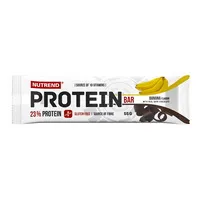
Nutrend Protein Bar Banana comes in a 55 g pack. It is sold under the Nutrend brand. On Mamori it sits under Confectionery › Nut & Cereal Bars › Energy Bars. Its label lists 47 ingredients.
Nutrend Protein Bar Banana at a glance
Nutrend Protein Bar Banana fits Vegetarian, Pescatarian and Vegan + Dairy diets. It also carries the Gluten Free, Crustaceans Free, Egg Free, Fish Free, Celery Free, Mustard Free, Lupin Free, Mollusks Free, Barley Free, Beef Free, Citrus Fruit Free, Gelatin Free, Latex Free, Oats Free, Pork Free, Poultry Free, Rye Free and Wheat Free badges. Nutrition-wise, it's High Protein, High Calorie, High Carbs, High Saturated Fat, High in Sugars, Medium in Fiber and Medium Salt/Sodium. Worth knowing: it's marked Non-Vegan, Non-Low FODMAP, Non-Vegan + Eggs, Contains Soy, Contains Dairy, Contains Additives, Contains Artificial Flavourings, Contains Corn, Contains Emulsifier, Contains Fructose, Lactose, Contains Added Sugars, Contains Rice and Contains Seed.
Diet and allergens
Suitable for vegetarian and pescatarian diets.
Not suitable for a vegan diet.
Contains soy and milk.
Free from gluten, crustaceans, eggs, fish, celery, mustard, lupin and molluscs.
May contain: Nuts, PEANUTS, sesame.
Based on Mamori's check of the ingredients on the label. Recipes change, so always read the pack if you have an allergy or intolerance.
Size: 55 g
Last updated 2 November 2026
Ingredients
protein mixture, Soy protein isolate, Whey Protein Concentrate, Soy Flakes, Extrudate: milk protein isolate, Glucose-fructose syrup, milk chocolate, sugar, cocoa butter, cocoa mass, dried whole milk, emulsifiers, Soy lecithin, E 476, Vanilla Extract, Fructose-Glucose Syrup, vanilla-flavoured cream, sugar, Palm Oil, shea oil, Dried Whey, Dried skimmed milk, Emulsifier: Sunflower Lecithin, flavouring, colouring agent: E 160c, vegetable fat, palm kernel oil, Palm Oil, shea oil, humectant glycerine, Acacia gum, rice extrudate, rice, inulin, emulsifier rapeseed lecithin, Antioxidant mixture of natural tocopherols, flavouring, vitamin premix, nicotinamide: vitamin B3, calcium D-pantothenate: Vitamin B5, Pyridoxine Hydrochloride: Vitamin B6, Riboflavin: Vitamin B2, thiamine mononitrate: Vitamin B1, pteroylmonoglutamic acid: folic acid, D-biotin: Biotin, cyanocobalamin: vitamin B12, antioxidant L-ascorbic acid
Additives & flavourings
Additives
- E476: Polyglycerol Polyricinoleate: Generally safe
Polyglycerol polyricinoleate (E476), often shortened to PGPR, is an emulsifier made from polyglycerol and fatty acids from castor oil. It is a specialised fat-like substance used in small amounts.
It helps mix ingredients that do not normally blend well, especially fat and water-based parts. It is commonly used in chocolate and cocoa products to improve flow, and can also be used in some spreads, sauces, and similar processed foods.
E476 is generally considered safe. It is authorised for use in food in the EU after EFSA safety assessment, and the sources checked raise no concern at normal amounts.
- E160c: Paprika Extract, Capsanthin, Capsorubin: Generally safe
Paprika extract, capsanthin and capsorubin (E160c) is a natural red-orange food colouring made from paprika peppers. The main colouring substances are carotenoids, especially capsanthin and capsorubin.
It is used to give or strengthen orange, red or reddish-brown colour in foods. It may be found in items such as cheeses, sauces, soups, snacks, meat products and seasonings.
It is generally considered safe at normal food-use amounts. It is authorised for use in the EU after EFSA safety assessment, and the sources checked raise no concern at typical levels of consumption.
- E422: Glycerol (Emulsifier): Generally safe
Glycerol, or E422, is a clear, sweet-tasting liquid also known as glycerine. It is a type of sugar alcohol and can be made from vegetable oils, animal fats, or produced synthetically.
In food, it helps keep moisture in, thickens texture, stabilises mixtures, and can help emulsions stay smooth. It is used in a range of foods where softness, moisture retention, or smooth texture is needed, such as confectionery, baked goods, icings, and some drinks.
Glycerol is generally considered safe at normal food amounts. It is allowed in food in the EU after safety assessment, and the sources checked raise no concern for typical use.
- E414: Gum Arabic (Acacia Gum): Generally safe
Gum arabic, or acacia gum, is E414. It is a natural gum obtained from the dried sap of acacia trees. It is a soluble dietary fibre made mainly of complex carbohydrates.
In food, it is used as a thickener, stabiliser and emulsifier. It helps keep mixtures even, improves texture, and can help hold flavours or colours in place. It may be found in sweets, soft drinks, icings, baked goods and flavourings.
It is generally considered safe at normal food amounts. It is authorised for use in the EU after safety assessment, and the sources checked raise no concern for typical use.
- E306: Tocopherol-Rich Extract: Generally safe
Tocopherol-rich extract (E306) is a natural form of vitamin E, made up of mixed tocopherols usually obtained from vegetable oils such as soya, sunflower or rapeseed oil.
It is used as an antioxidant, helping to slow rancidity and protect fats and oils from oxidation. It can be found in foods containing oils or fats, such as margarines, dressings, baked goods, snacks and some processed foods.
E306 is allowed in food in the EU after safety assessment. It is generally considered safe at normal amounts used in food, and the sources checked raise no specific concern.
- E300: Ascorbic Acid (Vitamin C): Generally safe
Ascorbic acid (E300) is vitamin C, a water-soluble substance found naturally in many fruits and vegetables. As a food additive, it is usually made by controlled industrial production and used in purified form.
It helps prevent oxidation, which can stop foods from browning or developing off-flavours. It can also adjust acidity. It is used in a range of foods, especially fruit products, drinks, bakery products, meat products and foods where colour or freshness needs protecting.
It is generally considered safe at normal food amounts. It is authorised for use in the EU after safety assessment, and EFSA’s re-evaluation did not raise concern for its use as a food additive.
Flavourings
- flavouring: Flavouring (Regulation (EC) No 1334/2008 on flavourings, Article 16).
- flavouring: Flavouring.
Questions and answers
Is Nutrend Protein Bar Banana vegan?
No. It contains milk, so it is not suitable for a vegan diet.
Is Nutrend Protein Bar Banana vegetarian?
Yes. It is suitable for a vegetarian diet.
Is Nutrend Protein Bar Banana suitable for a pescatarian diet?
Yes. It is suitable for a pescatarian diet.
Is Nutrend Protein Bar Banana suitable for a Low FODMAP diet?
No. It is not suitable for a Low FODMAP diet.
Is Nutrend Protein Bar Banana suitable for a Vegan + Dairy diet?
Yes. It is suitable for a Vegan + Dairy diet.
Is Nutrend Protein Bar Banana suitable for a Vegan + Eggs diet?
No. It is not suitable for a Vegan + Eggs diet.
Is Nutrend Protein Bar Banana gluten-free?
Yes. Its ingredients include no gluten, and its label gives no gluten warning.
Does Nutrend Protein Bar Banana contain milk?
Yes. It contains milk.
Does Nutrend Protein Bar Banana contain eggs?
No. Its ingredients include no eggs, and its label gives no egg warning.
Which allergens does Nutrend Protein Bar Banana contain?
It contains soy and milk. Its label also says it may contain: Nuts, PEANUTS, sesame.
More in Energy Bars
- Crownfield Dried fruit and chocolate bars
- Clif Bar Crunchy Peanut Butter
- Bombus Raw energy Orange + Cocoa Beans Fruit Bar
- Bombus Raw Energy Peanut & Dates
- Bombus Raw Energy Passion Fruit & Coconut
- Bombus Raw Energy Mango & Cashew Fruit Bar
- RAW SALTY CARAMEL & PEANUTS ENERGY
- Powerbar Natural Energy Vegan Bar Sweet'n Salty
- Powerbar Real5 Vegan Energy Bar Banana & Hazelnut
- Powerbar Ride Energy Chocolate Hazelnut & Caramel Bar
- Bombus Raw Energy Salty Caramel & Peanuts Bar
- Bombus Raw Organic Energy Coconut & Cocoa Bar