
Nestle Gf Corn Flakes Chocolate Gluten Free 375 g
Nestle Gf
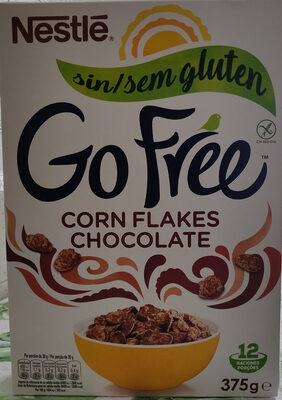
Nestle Gf Corn Flakes Chocolate Gluten Free comes in a 375 g pack. It is sold under the Nestle Gf brand. On Mamori it sits under Groceries › Cereal & Breakfast Biscuits › Corn Flakes. Its label lists 19 ingredients.
Nestle Gf Corn Flakes Chocolate Gluten Free at a glance
Nestle Gf Corn Flakes Chocolate Gluten Free fits Vegetarian, Pescatarian, Vegan + Dairy and Vegan + Eggs diets. It also carries the Gluten Free, Crustaceans Free, Egg Free, Fish Free, Peanut Free, Soy Free, Dairy Free, Tree Nut Free, Celery Free, Mustard Free, Sesame Free, Lupin Free, Mollusks Free, Barley Free, Beef Free, Citrus Fruit Free, Gelatin Free, Lactose Free, Latex Free, Oats Free, Pork Free, Poultry Free, Rice Free and Rye Free badges. Nutrition-wise, it's Low Saturated Fat, High Carbs, High in Sugars, Medium in Fiber, Medium in Protein, Medium in Calories and Medium Salt/Sodium. Worth knowing: it's marked Non-Vegan, Non-Low FODMAP, Contains Additives, Contains Artificial Flavourings, Contains Corn, Contains Emulsifier, Contains Fructose, Contains Added Sugars, Contains Seed and Contains Wheat.
Diet and allergens
Suitable for vegetarian and pescatarian diets.
Not suitable for a vegan diet.
Free from gluten, crustaceans, eggs, fish, peanuts, soy, milk, tree nuts, celery, mustard, sesame, lupin and molluscs.
Based on Mamori's check of the ingredients on the label. Recipes change, so always read the pack if you have an allergy or intolerance.
Size: 375 g
Last updated 26 October 2026
Ingredients
Corn Flakes, sugar, Cocoa, Vegetable Oil: Sunflower Oil, salt, dextrose, Emulsifier: Sunflower Lecithin, magnesium chloride, Inverted Sugar Syrup, Molasses, Acidity Regulator: Trisodium Phosphate, Potassium Chloride, Natural Flavouring, vitamins, niacin, Pantothenic acid, Folic Acid, Vitamin B6, Riboflavin
Additives & flavourings
Additives
- E511: Magnesium Chloride: Some concerns
Magnesium chloride (E511) is a mineral salt made from magnesium and chloride. It is a naturally occurring substance and can be obtained from seawater, brines or mineral sources.
In food, it is used as an acidity regulator, firming agent and anti-caking agent. It may be used where manufacturers need to control acidity, improve texture, or help powdered ingredients flow more freely.
It is permitted for use in food, but there are some concerns about exposure. EFSA found that people who eat larger amounts of foods containing magnesium chloride could exceed the safe daily amount, so the risk is mainly linked to high overall intake.
- E339: Sodium Phosphates (I) Monosodium Phosphate (Ii) Disodium Phosphate (Iii) Trisodium Phosphate: Some concerns
Sodium phosphates (E339) are salts of phosphoric acid and sodium. They include monosodium, disodium and trisodium phosphate, and are used as acidity regulators and antioxidants.
They help control acidity, keep mixtures stable, improve texture, and support moisture retention. They can be found in processed cheese, meat products, baked goods, powdered mixes and some drinks.
They are allowed in food, but some concerns have been raised. EFSA found that people who eat a lot of foods containing phosphate additives can exceed the safe daily amount, and people with kidney disease are usually advised to limit phosphate intake.
- E508: Potassium Chloride (Gelling Agent): Some concerns
Potassium chloride (E508) is a potassium salt, similar in structure to table salt but containing potassium instead of sodium. It is used as an acidity regulator, anti-caking agent and firming or gelling aid in some foods.
In food, it can help control acidity, improve texture, prevent powders from clumping, or partly replace ordinary salt. It may be found in processed foods such as seasonings, low-sodium salt products, soups, sauces, and some canned or prepared foods.
It is allowed for use, but some concerns have been raised. EFSA found that people with high intakes of foods containing potassium chloride could exceed the safe daily amount.
Flavourings
- Natural Flavouring: Natural flavouring (Regulation (EC) No 1334/2008 on flavourings, Article 16).
Questions and answers
Is Nestle Gf Corn Flakes Chocolate Gluten Free vegan?
No. It is not suitable for a vegan diet.
Is Nestle Gf Corn Flakes Chocolate Gluten Free vegetarian?
Yes. It is suitable for a vegetarian diet.
Is Nestle Gf Corn Flakes Chocolate Gluten Free suitable for a pescatarian diet?
Yes. It is suitable for a pescatarian diet.
Is Nestle Gf Corn Flakes Chocolate Gluten Free suitable for a Low FODMAP diet?
No. It is not suitable for a Low FODMAP diet.
Is Nestle Gf Corn Flakes Chocolate Gluten Free suitable for a Vegan + Dairy diet?
Yes. It is suitable for a Vegan + Dairy diet.
Is Nestle Gf Corn Flakes Chocolate Gluten Free suitable for a Vegan + Eggs diet?
Yes. It is suitable for a Vegan + Eggs diet.
Is Nestle Gf Corn Flakes Chocolate Gluten Free gluten-free?
Yes. Its ingredients include no gluten, and its label gives no gluten warning.
Does Nestle Gf Corn Flakes Chocolate Gluten Free contain milk?
No. Its ingredients include no milk, and its label gives no milk warning.
Is Nestle Gf Corn Flakes Chocolate Gluten Free nut-free?
Yes. Its ingredients include no peanuts or tree nuts, and its label gives no nut warning.
Does Nestle Gf Corn Flakes Chocolate Gluten Free contain eggs?
No. Its ingredients include no eggs, and its label gives no egg warning.
More in Corn Flakes
- Co-op Corn Flakes
- Sisa Corn flkes
- Nestlé Go free CORN flakes CHOCOLATE
- Tre mulini Corn Flakes
- Vitabella Corn Flakes
- Probios Sugar-free corn flakes
- kellogs Frosted flakes of corn cereal
- Vitabella Gluten Free Sugar Free Cornflakes
- Nutri Free Corn Flakes Gluten Free
- Waitrose Essential Corn Flakes
- Deco Bio Corn Flakes
- Crownfield Corn Flakes