
Motta Mount White Lady 551 g
On the pack: Mot Dame Blanche 12X551G
Motta
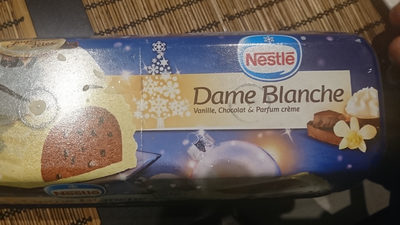
Motta Mount White Lady comes in a 551 g pack. It is sold under the Motta brand. On Mamori it sits under Frozen › Ice Cream and Desserts › Frozen Ready Desserts. Its label lists 29 ingredients.
Motta Mount White Lady at a glance
Motta Mount White Lady fits Vegetarian and Pescatarian diets. It also carries the Crustaceans Free, Fish Free, Celery Free, Mustard Free, Sesame Free, Sulfite Free, Lupin Free, Mollusks Free, Beef Free, Citrus Fruit Free, Gelatin Free, Latex Free, Oats Free, Pork Free and Rice Free badges. Nutrition-wise, it's Low Salt/Sodium, Low Protein, High Saturated Fat, High in Sugars, Medium in Fiber, Medium in Calories and Medium Carbs. Worth knowing: it's marked Non-Vegan, Non-Low FODMAP, Non-Vegan + Dairy, Non-Vegan + Eggs, Contains Dairy, Contains Additives, Contains Artificial Flavourings, Contains Barley, Contains Corn, Contains Emulsifier, Contains Fructose, Lactose, Contains Added Sugars, Contains Poultry, Contains Rye, Contains Seed and Contains Wheat.
Diet and allergens
Suitable for vegetarian and pescatarian diets.
Not suitable for a vegan diet.
Contains milk.
Free from crustaceans, fish, celery, mustard, sesame, sulphites, lupin and molluscs.
May contain: PEANUTS, tree nuts, EGG, Gluten.
Based on Mamori's check of the ingredients on the label. Recipes change, so always read the pack if you have an allergy or intolerance.
Size: 551 g
Last updated 2 November 2026
Ingredients
Reconstituted skimmed MILK, Water, sugar, Glucose Syrup, vegetable fat: coconut, Lactose and milk proteins, dextrose, cream, cocoa mass, cocoa powder, Low-fat cocoa powder, emulsifier, Mono- and diglycerides of fatty acids, lecithins, E476, gelling agents, Locust Bean Gum, Guar Gum, tara gum, cocoa butter, anhydrous MILK fat, natural vanilla flavors, exhausted vanilla pods, coloring: carotenoids, whole milk powder, modified corn starch, Skimmed Milk Powder, salt, Natural Flavor
Additives & flavourings
Additives
- E471: Mono- And Diglycerides Of Fatty Acids (Glyceryl Monostearate, Glyceryl Distearate): Generally safe
Mono- and diglycerides of fatty acids, or E471, are emulsifiers made from glycerol and fatty acids. The fatty acids can come from vegetable oils or animal fats, so the source is not always clear unless stated by the producer.
They help oil and water mix, improve texture, and keep foods stable. They are often used in baked goods, spreads, desserts, ice cream, sauces, and processed foods where a smooth or consistent texture is needed.
E471 is generally considered safe. It is allowed in food in the EU after safety assessment, and the sources we check raise no concern at normal amounts.
- E322: Lecithins: Generally safe
Lecithins (E322) are a group of natural fatty substances found in plants and animals. Food-grade lecithin is usually made from soya, sunflower, rapeseed or egg, and in some cases may be animal derived.
They are mainly used as emulsifiers, helping oil and water mix and keeping textures smooth. They are found in foods such as chocolate, spreads, baked goods, sauces, margarines and instant powders.
Lecithins are generally considered safe at normal food amounts and are allowed in the EU after safety assessment. People with relevant allergies should note the source, especially soya or egg.
- E476: Polyglycerol Polyricinoleate: Generally safe
Polyglycerol polyricinoleate (E476), often shortened to PGPR, is an emulsifier made from polyglycerol and fatty acids from castor oil. It is a specialised fat-like substance used in small amounts.
It helps mix ingredients that do not normally blend well, especially fat and water-based parts. It is commonly used in chocolate and cocoa products to improve flow, and can also be used in some spreads, sauces, and similar processed foods.
E476 is generally considered safe. It is authorised for use in food in the EU after EFSA safety assessment, and the sources checked raise no concern at normal amounts.
- E410: Locust Bean Gum (Carob Gum) (Thickener) (Stabiliser) (Gelling Agent): Generally safe
Locust bean gum, or E410, is a natural gum made from the seeds of the carob tree. It is a type of soluble fibre and is also known as carob gum.
It is used to thicken, stabilise, and help give foods a smooth or gel-like texture. You may find it in products such as ice cream, dairy desserts, sauces, dressings, bakery fillings, and some processed foods.
It is generally considered safe at normal food-use amounts. It is allowed in the EU after EFSA safety assessment, and the sources checked raise no specific concern for typical dietary exposure.
- E412: Guar Gum (Thickener): Generally safe
Guar gum (E412) is a thickening fibre made from the seeds of the guar plant, a type of legume. It is a natural polysaccharide, meaning a long-chain carbohydrate that absorbs water easily.
It is used to thicken, stabilise or improve texture in foods such as sauces, dressings, dairy products, ice cream, gluten-free baked goods and processed foods. It can also help stop ingredients from separating.
Guar gum is generally considered safe at normal food amounts. It is allowed in food in the EU after safety assessment, and the sources checked raise no concern for typical use.
- E417: Tara Gum (Thickener): Generally safe
Tara gum (E417) is a natural gum made from the ground seeds of the tara tree, a legume native to South America. It is mainly a carbohydrate fibre called galactomannan, similar to some other plant gums used in food.
It is used to thicken, stabilise and improve texture, helping foods hold water and stay smooth. It may be found in sauces, dressings, dairy desserts, ice cream, bakery fillings and other processed foods where a thicker or creamier texture is needed.
Tara gum is generally considered safe. It is authorised for use in the EU after EFSA safety assessment, and the reviewed sources raise no concern at normal food amounts.
- E160a: Carotenes: Generally safe
Carotenes (E160a) are orange-yellow colourants, including alpha-carotene, beta-carotene and gamma-carotene. They are pigments found naturally in plants such as carrots and leafy greens, and can also be made synthetically or obtained from natural sources. Some forms may be animal derived.
They are used to add or restore yellow to orange colour in foods. They may be found in products such as margarines, dairy products, desserts, sauces, drinks and confectionery.
E160a is allowed in food in the EU after safety assessment. It is generally considered safe at normal food amounts, and the sources checked raise no concern for typical use.
Flavourings
- natural vanilla flavors: Natural vanilla flavouring (Regulation (EC) No 1334/2008 on flavourings, Article 16).
- Natural Flavor: Natural flavouring (Regulation (EC) No 1334/2008 on flavourings, Article 16).
Questions and answers
Is Motta Mount White Lady vegan?
No. It contains milk, so it is not suitable for a vegan diet.
Is Motta Mount White Lady vegetarian?
Yes. It is suitable for a vegetarian diet.
Is Motta Mount White Lady suitable for a pescatarian diet?
Yes. It is suitable for a pescatarian diet.
Is Motta Mount White Lady suitable for a Low FODMAP diet?
No. It is not suitable for a Low FODMAP diet.
Is Motta Mount White Lady suitable for a Vegan + Dairy diet?
No. It is not suitable for a Vegan + Dairy diet.
Is Motta Mount White Lady suitable for a Vegan + Eggs diet?
No. It is not suitable for a Vegan + Eggs diet.
Does Motta Mount White Lady contain milk?
Yes. It contains milk.
Which allergens does Motta Mount White Lady contain?
It contains milk. Its label also says it may contain: PEANUTS, tree nuts, EGG, Gluten.
More in Frozen Ready Desserts
- Frosty Pocket Slush Freeze
- Dessert Factory Lava Cake Toblerone
- Dessert Factory Cheesecake Oreo
- Dessert Factory Daim Cheesecake
- Conditorei Coppenrath & Weise Conditorei Coppenrath & Wiese Lemon Meringue Pie
- Conditorei Coppenrath & Weise Conditorei Coppenrath & Weiss Chocolate Fudge Cake
- Cameo Cherry Cheesecake Cake
- Cameo Catalan Cream
- Motta Mmp Smarties Fun Cones
- Kidsworld Dess Pirates 2
- Littlemoon Little Moons Mango
- Littlemoon Little Moons Raspberry Gf