
AH Mini Stroopwafels
AH
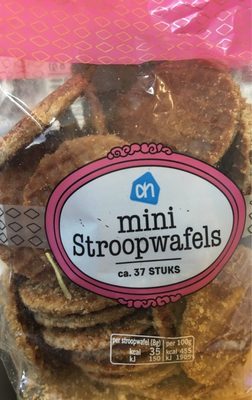
AH Mini Stroopwafels is listed on Mamori. It is sold under the AH brand. On Mamori it sits under Snacks › Desserts › Waffles. Its label lists 18 ingredients.
AH Mini Stroopwafels at a glance
AH Mini Stroopwafels fits Vegetarian, Pescatarian and Vegan + Dairy diets. It also carries the Crustaceans Free, Egg Free, Fish Free, Peanut Free, Tree Nut Free, Celery Free, Mustard Free, Sesame Free, Sulfite Free, Lupin Free, Mollusks Free, Barley Free, Beef Free, Citrus Fruit Free, Gelatin Free, Latex Free, Oats Free, Pork Free, Rice Free and Rye Free badges. Nutrition-wise, it's Low Protein, High Calorie, High Carbs, High Saturated Fat, High in Sugars, Medium in Fiber and Medium Salt/Sodium. Worth knowing: it's marked Non-Vegan, Non-Low FODMAP, Non-Vegan + Eggs, Contains Gluten, Contains Soy, Contains Additives, Contains Artificial Flavourings, Contains Corn, Contains Emulsifier, Contains Fructose, Lactose, Contains Added Sugars, Contains Poultry, Contains Seed and Contains Wheat.
Diet and allergens
Suitable for vegetarian and pescatarian diets.
Not suitable for a vegan diet.
Contains gluten and soy.
Free from crustaceans, eggs, fish, peanuts, tree nuts, celery, mustard, sesame, sulphites, lupin and molluscs.
Based on Mamori's check of the ingredients on the label. Recipes change, so always read the pack if you have an allergy or intolerance.
Last updated 26 October 2026
Ingredients
wheat flour, glucose-fructose syrup, cream, butter, sugar, palm fat, sugar syrup, wheat fiber, rapeseed oil, soy flour, salt, emulsifier, soy lecithin: E322, mono- and diglycerides of fatty acids: E471, cinnamon, leavening agent: sodium carbonate E500, acidulant: citric acid E330, Bourbon vanilla
Additives
- E322: Lecithins: Generally safe
Lecithins (E322) are a group of natural fatty substances found in plants and animals. Food-grade lecithin is usually made from soya, sunflower, rapeseed or egg, and in some cases may be animal derived.
They are mainly used as emulsifiers, helping oil and water mix and keeping textures smooth. They are found in foods such as chocolate, spreads, baked goods, sauces, margarines and instant powders.
Lecithins are generally considered safe at normal food amounts and are allowed in the EU after safety assessment. People with relevant allergies should note the source, especially soya or egg.
- E471: Mono- And Diglycerides Of Fatty Acids (Glyceryl Monostearate, Glyceryl Distearate): Generally safe
Mono- and diglycerides of fatty acids, or E471, are emulsifiers made from glycerol and fatty acids. The fatty acids can come from vegetable oils or animal fats, so the source is not always clear unless stated by the producer.
They help oil and water mix, improve texture, and keep foods stable. They are often used in baked goods, spreads, desserts, ice cream, sauces, and processed foods where a smooth or consistent texture is needed.
E471 is generally considered safe. It is allowed in food in the EU after safety assessment, and the sources we check raise no concern at normal amounts.
- E500: Sodium Carbonates: (I) Sodium Carbonate (Ii) Sodium Bicarbonate (Sodium Hydrogen Carbonate) (Iii) Sodium Sesquicarbonate (Acidity Regulator): Generally safe
Sodium carbonates (E500) are a group of sodium salts, including sodium carbonate, sodium bicarbonate and sodium sesquicarbonate. The best-known is sodium bicarbonate, also called bicarbonate of soda.
They are used to control acidity, help baked goods rise by releasing carbon dioxide, and reduce clumping in some powdered foods. They can be found in baking powders, biscuits, cakes, self-raising flour, cocoa mixes and other dry food mixes.
E500 is generally considered safe. It is allowed in food in the EU after safety assessment, and the sources checked do not raise concerns at normal food amounts.
- E330: Citric Acid: Generally safe
Citric acid (E330) is a natural organic acid found in citrus fruits and many other plants. The citric acid used in food is usually made by fermentation of sugars using micro-organisms.
It is used as an acidity regulator and antioxidant. It helps give a sharp, sour taste, control pH, and slow colour or flavour changes. It is common in soft drinks, sweets, jams, sauces, canned foods, and many processed foods.
Citric acid is generally considered safe at normal food levels. It is allowed in food in the EU after safety assessment, and the sources checked raise no concern for typical dietary amounts.
Questions and answers
Is AH Mini Stroopwafels vegan?
No. It is not suitable for a vegan diet.
Is AH Mini Stroopwafels vegetarian?
Yes. It is suitable for a vegetarian diet.
Is AH Mini Stroopwafels suitable for a pescatarian diet?
Yes. It is suitable for a pescatarian diet.
Is AH Mini Stroopwafels suitable for a Low FODMAP diet?
No. It is not suitable for a Low FODMAP diet.
Is AH Mini Stroopwafels suitable for a Vegan + Dairy diet?
Yes. It is suitable for a Vegan + Dairy diet.
Is AH Mini Stroopwafels suitable for a Vegan + Eggs diet?
No. It is not suitable for a Vegan + Eggs diet.
Is AH Mini Stroopwafels gluten-free?
No. It contains gluten.
Is AH Mini Stroopwafels nut-free?
Yes. Its ingredients include no peanuts or tree nuts, and its label gives no nut warning.
Does AH Mini Stroopwafels contain eggs?
No. Its ingredients include no eggs, and its label gives no egg warning.
Which allergens does AH Mini Stroopwafels contain?
It contains gluten and soy.
More in Waffles
- Sondey Lidl Stroopwafels
- Lotus Tender Waffle (8x1p)
- Confiserie Firenze Fresh waffles
- Hosjauschka Square Cake Waffles Wafli Hozayushka
- Swisswisslionion Waffle
- Betramos Magic Waffles 16 Chocolate
- Birds Eye Potato waffle
- Gecchele Waffle
- Kuchenmeister Fior Di Forno Waffles
- Daelmans Stroopwafels
- Mccain Mcc Sweet Waffle
- Qnt Belgian Waffle Protein White Chocolate