
Marco Bonfante Gavi Di Gavi 750 ml
Marco Bonfante
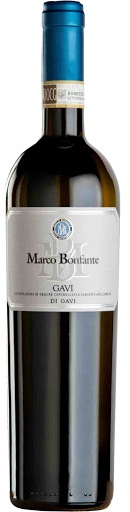
Marco Bonfante Gavi Di Gavi comes in a 750 ml pack. It is sold under the Marco Bonfante brand. On Mamori it sits under Alcoholic Beverages › Wines › Wine. Its label lists 12 ingredients.
Marco Bonfante Gavi Di Gavi at a glance
Marco Bonfante Gavi Di Gavi fits Vegan, Vegetarian, Pescatarian, Vegan + Dairy and Vegan + Eggs diets. It also carries the Gluten Free, Crustaceans Free, Egg Free, Fish Free, Peanut Free, Soy Free, Dairy Free, Tree Nut Free, Celery Free, Mustard Free, Sesame Free, Lupin Free, Mollusks Free, Artificial Flavourings Free, Barley Free, Beef Free, Citrus Fruit Free, Gelatin Free, Lactose Free, Latex Free, No Added Sugars, Oats Free, Pork Free, Poultry Free, Rice Free, Rye Free and Wheat Free badges. Nutrition-wise, it's Low Carbs, Low Salt/Sodium, Low Saturated Fat, Low Sugars, Low Fiber, Low Protein and Medium in Calories. Worth knowing: it's marked Non-Low FODMAP, Contains Additives, Contains Corn, Contains Emulsifier, Contains Fructose and Contains Seed.
Diet and allergens
Suitable for vegan, vegetarian and pescatarian diets.
Free from gluten, crustaceans, eggs, fish, peanuts, soy, milk, tree nuts, celery, mustard, sesame, lupin and molluscs.
Based on Mamori's check of the ingredients on the label. Recipes change, so always read the pack if you have an allergy or intolerance.
Size: 750 ml
Last updated 2 November 2026
Ingredients
Grapes, Preservatives: E 224, Antioxidants: E 224, Activator of alcoholic and malolactic fermentation: E 517, Clarifying agents, E 558, E 1202, Stabilizers, E 414, E 456, Enzymes: CE 4.2.2.10, Gases and packaging gases: E 941
Additives
- E224: Potassium Metabisulfite: Some concerns
Potassium metabisulphite (E224) is a sulphite preservative made from potassium, sulphur and oxygen compounds. It releases sulphur dioxide, which helps protect foods and drinks from spoilage and browning.
It is used to preserve colour and freshness, especially in products such as wine, cider, dried fruit, fruit preparations, pickled foods and some processed potato products.
It is allowed in food, but some concerns have been raised. EFSA found that people who eat a lot of sulphite-containing foods may go over the safe daily amount, and sulphites can trigger sensitivity reactions in some people.
- E517: Ammonium Sulfate: Generally safe
Ammonium sulphate, or E517, is an inorganic ammonium salt of sulphuric acid. It is a mineral-type substance that dissolves easily in water and can affect acidity.
In food, it is used as an acidity regulator and sometimes as an anti-caking agent. These functions help control pH or keep powdered ingredients free-flowing, so it may be used in certain processed foods or dry mixes where these effects are needed.
It is generally considered safe at normal food-use levels. It is authorised for use in the EU following safety assessment, and the sources checked raise no particular concern at typical amounts.
- E558: Bentonite: Generally safe
Bentonite (E558) is a natural clay, mainly made of aluminium silicate minerals. It is processed and purified before use in food.
In food, it is used as an anti-caking agent and processing aid, helping powders stay free-flowing or helping remove unwanted particles from liquids. It may be used in some powdered foods and in the clarification of drinks such as wine and fruit juices.
Bentonite is generally considered safe at normal food-use levels. It is allowed in food in the EU after safety assessment, and the sources checked raise no concern for typical amounts.
- E1202: Polyvinylpolypyrrolidone (Carrier): Generally safe
Polyvinylpolypyrrolidone, or E1202, is an insoluble synthetic polymer related to polyvinylpyrrolidone. It is not digested in any meaningful amount and passes through the body largely unchanged.
In food and drink, it is mainly used as a processing aid or carrier. It can help remove unwanted compounds, clarify drinks, or carry other additives, depending on the product and process.
E1202 is generally considered safe at normal food-use levels. It is authorised for use in the EU after EFSA safety assessment, and the checked sources raise no concern for typical amounts in food.
- E414: Gum Arabic (Acacia Gum): Generally safe
Gum arabic, or acacia gum, is E414. It is a natural gum obtained from the dried sap of acacia trees. It is a soluble dietary fibre made mainly of complex carbohydrates.
In food, it is used as a thickener, stabiliser and emulsifier. It helps keep mixtures even, improves texture, and can help hold flavours or colours in place. It may be found in sweets, soft drinks, icings, baked goods and flavourings.
It is generally considered safe at normal food amounts. It is authorised for use in the EU after safety assessment, and the sources checked raise no concern for typical use.
- E456: Potassium Polyaspartate: Generally safe
Potassium polyaspartate (E456) is the potassium salt of polyaspartic acid, a polymer made from the amino acid aspartic acid. It is used as a stabilising additive rather than as a nutrient.
In food, it helps keep products stable by binding metal ions and reducing unwanted changes during storage. Its main authorised use is in wine, where it helps prevent tartrate crystals from forming.
It is generally considered safe at normal amounts used in food. It is authorised in the EU after an EFSA safety assessment, and the sources checked raise no concern for typical dietary exposure.
- E1442: Hydroxy Propyl Distarch Phosphate (Stabiliser): Generally safe
Hydroxy propyl distarch phosphate (E1442) is a modified starch. It is made by treating food starch, often from maize, potato, tapioca or wheat, so it becomes more stable during heating, cooling or mixing.
It is used to thicken, stabilise and improve texture in foods. You may find it in sauces, soups, dressings, desserts, fillings, processed dairy products and other foods that need a smooth, stable consistency.
It is generally considered safe at normal amounts in food. It is authorised for use in the EU after safety assessment, and the sources checked raise no concern for typical dietary exposure.
- E941: Nitrogen (Packaging Gas): Generally safe
Nitrogen (E941) is a colourless, odourless gas that makes up most of the air we breathe. As a food additive, it is used as a packaging gas rather than as an ingredient that changes the food itself.
It helps replace oxygen inside packs, which can slow oxidation and help protect flavour, colour and texture. It is commonly used in modified-atmosphere packaging for foods such as crisps, nuts, coffee, fresh prepared foods and some meats or cheeses.
Nitrogen is generally considered safe at normal food-use levels. It is authorised for use in the EU, and the sources checked raise no concern when it is used as intended.
Questions and answers
Is Marco Bonfante Gavi Di Gavi vegan?
Yes. It is suitable for a vegan diet.
Is Marco Bonfante Gavi Di Gavi vegetarian?
Yes. It is suitable for a vegetarian diet.
Is Marco Bonfante Gavi Di Gavi suitable for a pescatarian diet?
Yes. It is suitable for a pescatarian diet.
Is Marco Bonfante Gavi Di Gavi suitable for a Low FODMAP diet?
No. It is not suitable for a Low FODMAP diet.
Is Marco Bonfante Gavi Di Gavi suitable for a Vegan + Dairy diet?
Yes. It is suitable for a Vegan + Dairy diet.
Is Marco Bonfante Gavi Di Gavi suitable for a Vegan + Eggs diet?
Yes. It is suitable for a Vegan + Eggs diet.
Is Marco Bonfante Gavi Di Gavi gluten-free?
Yes. Its ingredients include no gluten, and its label gives no gluten warning.
Does Marco Bonfante Gavi Di Gavi contain milk?
No. Its ingredients include no milk, and its label gives no milk warning.
Is Marco Bonfante Gavi Di Gavi nut-free?
Yes. Its ingredients include no peanuts or tree nuts, and its label gives no nut warning.
Does Marco Bonfante Gavi Di Gavi contain eggs?
No. Its ingredients include no eggs, and its label gives no egg warning.
More in Wine
- Château d'Esclans Whispering Angel 2024
- Ramón Bilbao Ramon Bilbao Verdejo
- Notte Rossa Notterossa Primitivo Di Salento
- Miraval Provence Rose
- Marchesi Antinori Garden Rose Tuscany Santa Cristina
- Vicente Gandía Zero Coma White Zero Alcohol
- Cavalier Pepe Falanghina
- Georges Duboeuf Beaujolais Nouveau
- Prun Moscato D'asti
- Fentimans Sauvignon Blanc
- Varvaglione Primitivo Bio
- Donnafugata The Escape