
Kellogg's Kelloggs Extra Caramelised 375 g
On the pack: Kelloggs Extra Caramalised
Kellogg's
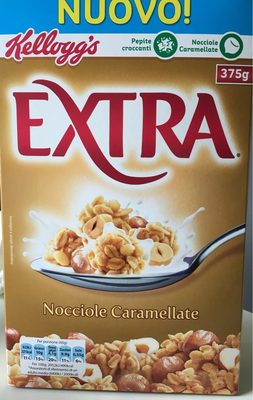
Kellogg's Kelloggs Extra Caramelised comes in a 375 g pack. It is sold under the Kellogg's brand. On Mamori it sits under Groceries › Cereal & Breakfast Biscuits › Rice Krispies. Its label lists 33 ingredients.
Kellogg's Kelloggs Extra Caramelised at a glance
Kellogg's Kelloggs Extra Caramelised fits Vegetarian, Pescatarian and Vegan + Dairy diets. It also carries the Crustaceans Free, Egg Free, Fish Free, Peanut Free, Soy Free, Celery Free, Mustard Free, Sesame Free, Lupin Free, Mollusks Free, Beef Free, Citrus Fruit Free, Corn Free, Gelatin Free, Latex Free, Pork Free, Poultry Free and Rye Free badges. Nutrition-wise, it's High Calorie, High Carbs, High Saturated Fat, Medium in Fiber, Medium in Protein, Medium Salt/Sodium and Medium in Sugars. Worth knowing: it's marked Non-Vegan, Non-Low FODMAP, Non-Vegan + Eggs, Contains Gluten, Contains Dairy, Contains Tree Nut, Contains Additives, Contains Artificial Flavourings, Contains Barley, Contains Emulsifier, Contains Fructose, Lactose, Contains Added Sugars, Contains Oats, Contains Rice, Contains Seed and Contains Wheat.
Diet and allergens
Suitable for vegetarian and pescatarian diets.
Not suitable for a vegan diet.
Contains gluten, milk and tree nuts.
Free from crustaceans, eggs, fish, peanuts, soy, celery, mustard, sesame, lupin and molluscs.
Based on Mamori's check of the ingredients on the label. Recipes change, so always read the pack if you have an allergy or intolerance.
Size: 375 g
Last updated 2 November 2026
Ingredients
oat flakes, sugar, non-hydrogenated palm oil, wheat flour, caramelized hazelnuts, hazelnuts, sugar, antioxidants, E464, E306, desiccated coconut, crunchy cereals flavored with hazelnuts, crunchy rice, wheat flour, sugar, whey powder, salt, non-hydrogenated canola oil, emulsifier: E471, sugar, natural flavor, molasses, salt, barley malt extract, cinnamon, vitamins, niacin, Vitamin B6, Vitamin B2, Vitamin B1, folic acid, Vitamin B12, iron
Additives & flavourings
Additives
- E464: Hydroxypropyl Methyl Cellulose: Generally safe
Hydroxypropyl methyl cellulose, or E464, is also called hypromellose. It is a modified cellulose, made from plant fibre cellulose that has been chemically adjusted so it dissolves and works well in water.
In food, E464 acts as a thickener, stabiliser and emulsifier. It helps improve texture, hold mixtures together, and control moisture. It may be used in products such as sauces, bakery fillings, desserts, processed foods, and some gluten-free or reduced-fat foods.
It is generally considered safe. E464 is allowed in food in the EU after safety assessment, and the sources checked raise no concern at normal amounts.
- E306: Tocopherol-Rich Extract: Generally safe
Tocopherol-rich extract (E306) is a natural form of vitamin E, made up of mixed tocopherols usually obtained from vegetable oils such as soya, sunflower or rapeseed oil.
It is used as an antioxidant, helping to slow rancidity and protect fats and oils from oxidation. It can be found in foods containing oils or fats, such as margarines, dressings, baked goods, snacks and some processed foods.
E306 is allowed in food in the EU after safety assessment. It is generally considered safe at normal amounts used in food, and the sources checked raise no specific concern.
- E471: Mono- And Diglycerides Of Fatty Acids (Glyceryl Monostearate, Glyceryl Distearate): Generally safe
Mono- and diglycerides of fatty acids, or E471, are emulsifiers made from glycerol and fatty acids. The fatty acids can come from vegetable oils or animal fats, so the source is not always clear unless stated by the producer.
They help oil and water mix, improve texture, and keep foods stable. They are often used in baked goods, spreads, desserts, ice cream, sauces, and processed foods where a smooth or consistent texture is needed.
E471 is generally considered safe. It is allowed in food in the EU after safety assessment, and the sources we check raise no concern at normal amounts.
Flavourings
- natural flavor: Natural flavouring (Regulation (EC) No 1334/2008 on flavourings, Article 16).
Questions and answers
Is Kellogg's Kelloggs Extra Caramelised vegan?
No. It contains milk, so it is not suitable for a vegan diet.
Is Kellogg's Kelloggs Extra Caramelised vegetarian?
Yes. It is suitable for a vegetarian diet.
Is Kellogg's Kelloggs Extra Caramelised suitable for a pescatarian diet?
Yes. It is suitable for a pescatarian diet.
Is Kellogg's Kelloggs Extra Caramelised suitable for a Low FODMAP diet?
No. It is not suitable for a Low FODMAP diet.
Is Kellogg's Kelloggs Extra Caramelised suitable for a Vegan + Dairy diet?
Yes. It is suitable for a Vegan + Dairy diet.
Is Kellogg's Kelloggs Extra Caramelised suitable for a Vegan + Eggs diet?
No. It is not suitable for a Vegan + Eggs diet.
Is Kellogg's Kelloggs Extra Caramelised gluten-free?
No. It contains gluten.
Does Kellogg's Kelloggs Extra Caramelised contain milk?
Yes. It contains milk.
Is Kellogg's Kelloggs Extra Caramelised nut-free?
No. It contains tree nuts.
Does Kellogg's Kelloggs Extra Caramelised contain eggs?
No. Its ingredients include no eggs, and its label gives no egg warning.
Which allergens does Kellogg's Kelloggs Extra Caramelised contain?
It contains gluten, milk and tree nuts.
More in Rice Krispies
- Kellogg's Kelloggs Oaties Original
- Kellogg's Kelloggs Pp Extra Choc & Nut
- Kellogg's Kelloggs Frosties
- Kellogg's Kelloggs Extra Original
- Kellogg's Cereal Tresor Milk Chocolate
- Kellogg's Cereal Tresor Hazelnut
- Kellogg's Kelloggs Bran Flakes
- Kellogg's Kelloggs All Bran
- Kellogg's Chocolate Rice Krispie Squares
- Kellogg's Kelloggs Bluey Multigrain
- Kellogg's Coco Pops
- Kellogg's Kelloggs Extra Milk Chocolate