
Just Drink Just Banana Milkshake 1000 ml
Just Drink
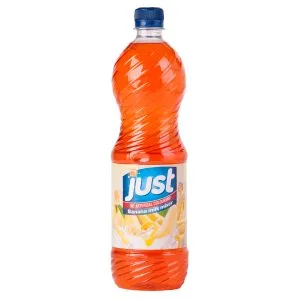
Just Drink Just Banana Milkshake comes in a 1000 ml pack. It is sold under the Just Drink brand. On Mamori it sits under Beverages › Juices & Smoothies › Banana Juice. Its label lists 14 ingredients.
Just Drink Just Banana Milkshake at a glance
Just Drink Just Banana Milkshake carries the Gluten Free, Crustaceans Free, Egg Free, Fish Free, Peanut Free, Soy Free, Dairy Free, Tree Nut Free, Celery Free, Mustard Free, Sesame Free, Lupin Free, Mollusks Free, Barley Free, Beef Free, Citrus Fruit Free, Corn Free, Emulsifier Free, Gelatin Free, Lactose Free, Oats Free, Pork Free, Poultry Free, Rice Free, Rye Free, Seed Free and Wheat Free badges. Nutrition-wise, it's Low Salt/Sodium, Low Fiber, Low Protein, Medium in Calories, Medium Carbs, Medium Saturated Fat and Medium in Sugars. Worth knowing: it's marked Non-Vegan, Non-Vegetarian, Non-Pescatarian, Non-Low FODMAP, Non-Vegan + Dairy, Non-Vegan + Eggs, Contains Sulfite, Contains Additives, Contains Artificial Flavourings, Contains Fructose, Contains Latex and Contains Added Sugars.
Diet and allergens
Not suitable for vegan, vegetarian or pescatarian diets.
Contains sulphites.
Free from gluten, crustaceans, eggs, fish, peanuts, soy, milk, tree nuts, celery, mustard, sesame, lupin and molluscs.
Based on Mamori's check of the ingredients on the label. Recipes change, so always read the pack if you have an allergy or intolerance.
Size: 1000 ml
Last updated 2 November 2026
Ingredients
Water, Sugar, Acid: Citric Acid, Banana Flavourings, Vanillin Flavourings, Preservatives, Potassium Sorbate, Sodium Benzoate, Potassium Metabisulphite, Sweetener: Sodium Saccharine, Natural Colours, Curcumin, Carmine Red, Carmine Orange
Additives & flavourings
Additives
- E330: Citric Acid: Generally safe
Citric acid (E330) is a natural organic acid found in citrus fruits and many other plants. The citric acid used in food is usually made by fermentation of sugars using micro-organisms.
It is used as an acidity regulator and antioxidant. It helps give a sharp, sour taste, control pH, and slow colour or flavour changes. It is common in soft drinks, sweets, jams, sauces, canned foods, and many processed foods.
Citric acid is generally considered safe at normal food levels. It is allowed in food in the EU after safety assessment, and the sources checked raise no concern for typical dietary amounts.
- E202: Potassium Sorbate: Some concerns
Potassium sorbate (E202) is the potassium salt of sorbic acid. It is a preservative used to slow the growth of moulds and yeasts in food and drink.
It is often used in products where spoilage by yeasts or moulds is a concern, such as sauces, bakery fillings, cheese products, fruit preparations, drinks and some processed foods.
It is allowed in food, but some concerns have been raised. EFSA found that people who eat a lot of foods containing sorbates could go over the safe daily amount, so overall exposure is the main issue.
- E211: Sodium Benzoate: Some concerns
Sodium benzoate (E211) is the sodium salt of benzoic acid, a preservative. It is a manufactured form of a substance that also occurs naturally in small amounts in some fruits and spices.
It helps stop the growth of yeasts, moulds and some bacteria, especially in acidic foods and drinks. It is often used in soft drinks, fruit juices, pickles, sauces, dressings and some jams or preserves.
It is allowed in food, but some concerns have been raised. EFSA found that people who eat a lot of foods containing benzoates may exceed the safe daily amount, so overall intake can be an issue for high consumers.
- E224: Potassium Metabisulfite: Some concerns
Potassium metabisulphite (E224) is a sulphite preservative made from potassium, sulphur and oxygen compounds. It releases sulphur dioxide, which helps protect foods and drinks from spoilage and browning.
It is used to preserve colour and freshness, especially in products such as wine, cider, dried fruit, fruit preparations, pickled foods and some processed potato products.
It is allowed in food, but some concerns have been raised. EFSA found that people who eat a lot of sulphite-containing foods may go over the safe daily amount, and sulphites can trigger sensitivity reactions in some people.
- E954: Saccharin And Its Na, K And Ca Salts: Generally safe
Saccharin and its sodium, potassium and calcium salts (E954) are intense artificial sweeteners. They are not sugars, and are used in very small amounts because they taste much sweeter than sugar.
They sweeten foods and drinks without adding much energy. E954 may be found in low-sugar or sugar-free products such as soft drinks, desserts, sweets, chewing gum and tabletop sweeteners.
It is generally considered safe at normal amounts. Saccharin is allowed in food in the EU after safety assessment, and the sources checked raise no concern for typical food use.
- E100: Curcumin (From Turmeric): Generally safe
Curcumin (E100) is a yellow-orange food colour made from turmeric, the spice from the root of the Curcuma longa plant. It is the main natural pigment in turmeric and may also be produced as a purified extract for food use.
It is used to give foods a yellow to orange colour. It can be found in products such as sauces, soups, snacks, confectionery, dairy products and processed foods where a warm yellow colour is wanted.
Curcumin is generally considered safe at normal food amounts. It is allowed for use in the EU after EFSA safety assessment, and the sources checked do not raise concerns for typical dietary exposure.
- E120: Cochineal, Carminic Acid, Carmine (Natural Red 4): Generally safe
Carminic acid and carmine (E120) are red colourants made from cochineal insects. They are also known as cochineal or Natural Red 4, and are not suitable for people avoiding animal-derived ingredients.
They are used to give foods a red, pink, or purple colour. E120 may be found in products such as confectionery, desserts, drinks, yoghurts, processed meats, and sauces where a stable red colour is needed.
E120 is generally considered safe at normal food amounts. It is authorised for use in the EU after EFSA safety assessment, and the sources checked do not raise concerns for typical dietary exposure.
Flavourings
- Banana Flavourings: Flavouring (Regulation (EC) No 1334/2008 on flavourings, Article 16).
- Vanillin Flavourings: Flavouring.
Questions and answers
Is Just Drink Just Banana Milkshake vegan?
No. It is not suitable for a vegan diet.
Is Just Drink Just Banana Milkshake vegetarian?
No. It is not suitable for a vegetarian diet.
Is Just Drink Just Banana Milkshake suitable for a pescatarian diet?
No. It is not suitable for a pescatarian diet.
Is Just Drink Just Banana Milkshake suitable for a Low FODMAP diet?
No. It is not suitable for a Low FODMAP diet.
Is Just Drink Just Banana Milkshake suitable for a Vegan + Dairy diet?
No. It is not suitable for a Vegan + Dairy diet.
Is Just Drink Just Banana Milkshake suitable for a Vegan + Eggs diet?
No. It is not suitable for a Vegan + Eggs diet.
Is Just Drink Just Banana Milkshake gluten-free?
Yes. Its ingredients include no gluten, and its label gives no gluten warning.
Does Just Drink Just Banana Milkshake contain milk?
No. Its ingredients include no milk, and its label gives no milk warning.
Is Just Drink Just Banana Milkshake nut-free?
Yes. Its ingredients include no peanuts or tree nuts, and its label gives no nut warning.
Does Just Drink Just Banana Milkshake contain eggs?
No. Its ingredients include no eggs, and its label gives no egg warning.
Which allergens does Just Drink Just Banana Milkshake contain?
It contains sulphites.