
Jam Shed Malbec Argentina 750 ml
Jam Shed
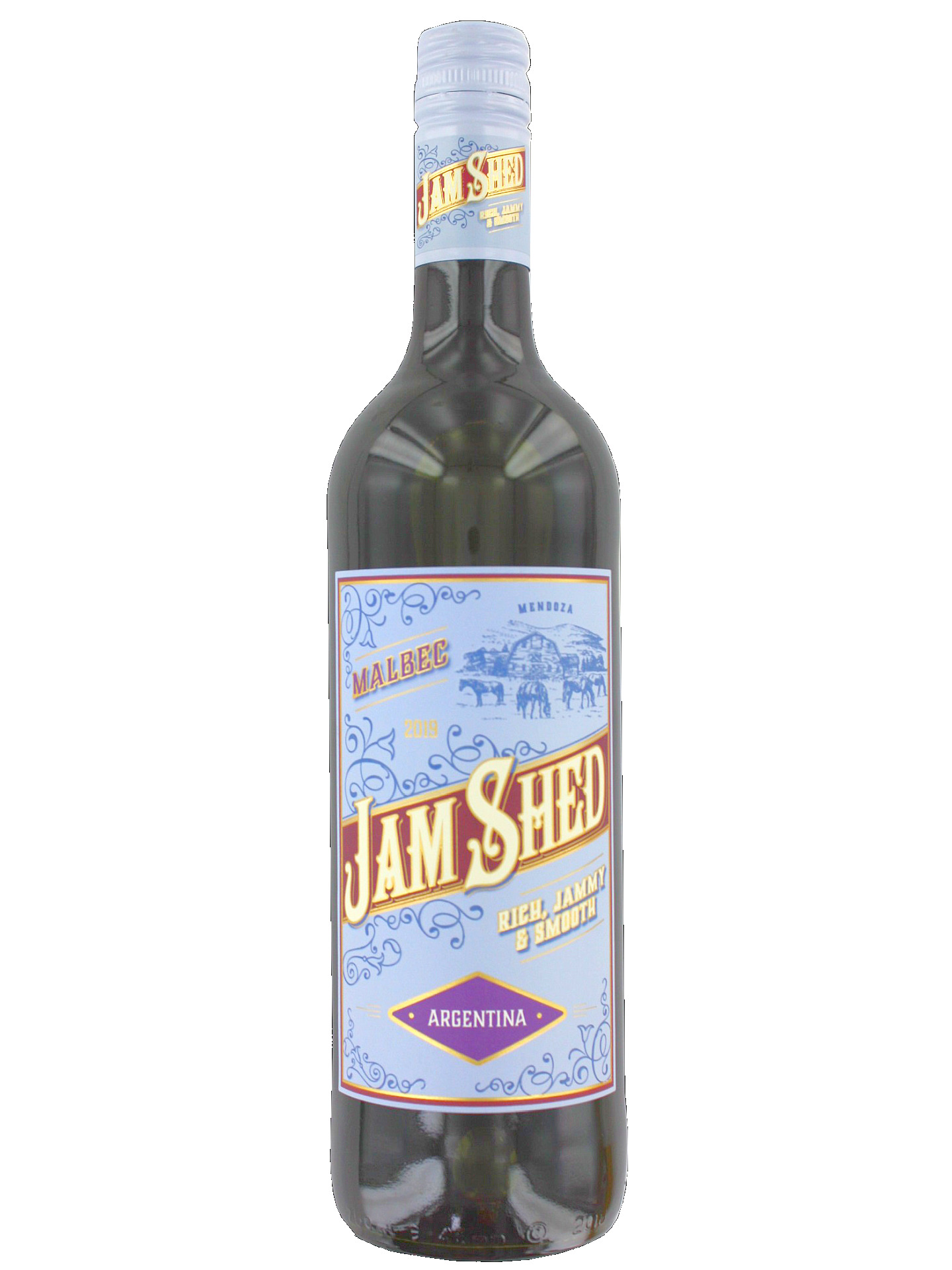
Jam Shed Malbec Argentina comes in a 750 ml pack. It is sold under the Jam Shed brand. On Mamori it sits under Alcoholic Beverages › Wines › Red Wine. Its label lists 12 ingredients.
Jam Shed Malbec Argentina at a glance
Jam Shed Malbec Argentina fits Vegan, Vegetarian, Pescatarian, Vegan + Dairy and Vegan + Eggs diets. It also carries the Gluten Free, Crustaceans Free, Egg Free, Fish Free, Peanut Free, Soy Free, Dairy Free, Tree Nut Free, Celery Free, Mustard Free, Sesame Free, Lupin Free, Mollusks Free, Artificial Flavourings Free, Barley Free, Beef Free, Citrus Fruit Free, Emulsifier Free, Gelatin Free, Lactose Free, Latex Free, No Added Sugars, Oats Free, Pork Free, Poultry Free, Rice Free, Rye Free and Wheat Free badges. Nutrition-wise, it's Low Carbs, Low Salt/Sodium, Low Saturated Fat, Low Fiber, Low Protein, Medium in Calories and Medium in Sugars. Worth knowing: it's marked Non-Low FODMAP, Contains Sulfite, Contains Additives, Contains Corn, Contains Fructose and Contains Seed.
Diet and allergens
Suitable for vegan, vegetarian and pescatarian diets.
Contains sulphites.
Free from gluten, crustaceans, eggs, fish, peanuts, soy, milk, tree nuts, celery, mustard, sesame, lupin and molluscs.
Based on Mamori's check of the ingredients on the label. Recipes change, so always read the pack if you have an allergy or intolerance.
Size: 750 ml
Last updated 2 November 2026
Ingredients
grapes, concentrated grape must, Acidity regulator: Tartaric acid, stabilizing agents, Potassium polyaspartate, Gum arabic, yeast mannoproteins, metatartaric acid, preservatives, Sulphites, dimethyldicarbonate, Potassium sorbate
Additives
- E334: Tartaric Acid: Generally safe
Tartaric acid (L(+)-) (E334) is a naturally occurring organic acid. It is found in grapes and some other fruits, and the food additive is the same type of acid used to adjust acidity in foods.
It helps give foods a sharper taste, controls acidity, and can support antioxidant effects. It may be used in products such as sweets, jams, soft drinks, bakery mixes, and wine-related products.
It is generally considered safe at normal food amounts. It is authorised for use in the EU after safety assessment, and the sources checked raise no concern for typical dietary exposure.
- E456: Potassium Polyaspartate: Generally safe
Potassium polyaspartate (E456) is the potassium salt of polyaspartic acid, a polymer made from the amino acid aspartic acid. It is used as a stabilising additive rather than as a nutrient.
In food, it helps keep products stable by binding metal ions and reducing unwanted changes during storage. Its main authorised use is in wine, where it helps prevent tartrate crystals from forming.
It is generally considered safe at normal amounts used in food. It is authorised in the EU after an EFSA safety assessment, and the sources checked raise no concern for typical dietary exposure.
- E414: Gum Arabic (Acacia Gum): Generally safe
Gum arabic, or acacia gum, is E414. It is a natural gum obtained from the dried sap of acacia trees. It is a soluble dietary fibre made mainly of complex carbohydrates.
In food, it is used as a thickener, stabiliser and emulsifier. It helps keep mixtures even, improves texture, and can help hold flavours or colours in place. It may be found in sweets, soft drinks, icings, baked goods and flavourings.
It is generally considered safe at normal food amounts. It is authorised for use in the EU after safety assessment, and the sources checked raise no concern for typical use.
- E353: Metatartaric Acid: Generally safe
Metatartaric acid (E353) is a food additive related to tartaric acid, a natural acid found in grapes and other fruits. It is an acidity regulator and stabilising substance, commonly associated with wine production.
In food and drink, it helps control acidity and can help prevent crystals or cloudiness caused by tartaric acid salts, especially in wine. It may be used where acidity control and stability are needed.
It is generally considered safe at normal food-use levels. It is authorised for use in the EU after safety assessment, and the sources checked raise no concern at typical amounts.
- E220: Sulphur Dioxide: Some concerns
Sulphur dioxide (E220) is a sulphite preservative. It is a gas that dissolves in water and is used in food for its antimicrobial and antioxidant effects.
It helps slow spoilage, prevents browning, and protects colour and flavour. It is commonly found in dried fruit, wine and other drinks, some pickled or processed vegetables, and potato products.
It is allowed in food, but some concerns have been raised. EFSA found that people who eat a lot of foods containing sulphites can go over the safe daily amount, and sulphites can also trigger reactions in some sensitive people.
- E242: Dimethyl Dicarbonate: Generally safe
Dimethyl dicarbonate, or E242, is a preservative. It is a synthetic chemical that is added in very small amounts and breaks down after use, mainly into substances such as methanol and carbon dioxide.
It helps control yeasts, moulds and some bacteria, especially in drinks. It is typically used in beverages such as soft drinks, flavoured drinks, alcohol-free wine and other packaged drinks where spoilage control is needed.
It is generally considered safe at normal permitted levels. It is allowed in food in the EU after EFSA safety assessment, and the sources checked raise no concern for usual food use.
- E202: Potassium Sorbate: Some concerns
Potassium sorbate (E202) is the potassium salt of sorbic acid. It is a preservative used to slow the growth of moulds and yeasts in food and drink.
It is often used in products where spoilage by yeasts or moulds is a concern, such as sauces, bakery fillings, cheese products, fruit preparations, drinks and some processed foods.
It is allowed in food, but some concerns have been raised. EFSA found that people who eat a lot of foods containing sorbates could go over the safe daily amount, so overall exposure is the main issue.
Questions and answers
Is Jam Shed Malbec Argentina vegan?
Yes. It is suitable for a vegan diet.
Is Jam Shed Malbec Argentina vegetarian?
Yes. It is suitable for a vegetarian diet.
Is Jam Shed Malbec Argentina suitable for a pescatarian diet?
Yes. It is suitable for a pescatarian diet.
Is Jam Shed Malbec Argentina suitable for a Low FODMAP diet?
No. It is not suitable for a Low FODMAP diet.
Is Jam Shed Malbec Argentina suitable for a Vegan + Dairy diet?
Yes. It is suitable for a Vegan + Dairy diet.
Is Jam Shed Malbec Argentina suitable for a Vegan + Eggs diet?
Yes. It is suitable for a Vegan + Eggs diet.
Is Jam Shed Malbec Argentina gluten-free?
Yes. Its ingredients include no gluten, and its label gives no gluten warning.
Does Jam Shed Malbec Argentina contain milk?
No. Its ingredients include no milk, and its label gives no milk warning.
Is Jam Shed Malbec Argentina nut-free?
Yes. Its ingredients include no peanuts or tree nuts, and its label gives no nut warning.
Does Jam Shed Malbec Argentina contain eggs?
No. Its ingredients include no eggs, and its label gives no egg warning.
Which allergens does Jam Shed Malbec Argentina contain?
It contains sulphites.