
FUZE TEA Zero Fishing 1 l
On the pack: Fuze Tea Zero Pesca
FUZE TEA
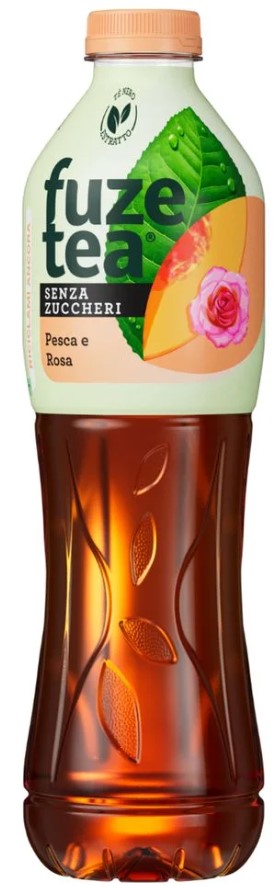
FUZE TEA Zero Fishing comes in a 1 l pack. It is sold under the FUZE TEA brand. On Mamori it sits under Beverages › Tea › Ice Tea. Its label lists 16 ingredients.
FUZE TEA Zero Fishing at a glance
FUZE TEA Zero Fishing fits Vegan, Vegetarian, Pescatarian, Vegan + Dairy and Vegan + Eggs diets. It also carries the Gluten Free, Crustaceans Free, Egg Free, Fish Free, Peanut Free, Soy Free, Dairy Free, Tree Nut Free, Celery Free, Mustard Free, Sesame Free, Sulfite Free, Lupin Free, Mollusks Free, Barley Free, Beef Free, Citrus Fruit Free, Corn Free, Gelatin Free, Lactose Free, Latex Free, Oats Free, Pork Free, Poultry Free, Rice Free, Rye Free, Seed Free and Wheat Free badges. Nutrition-wise, it's Low Calorie, Low Carbs, Low Salt/Sodium, Low Saturated Fat, Low Sugars, Low Fiber and Low Protein. Worth knowing: it's marked Non-Low FODMAP, Contains Additives, Contains Artificial Flavourings, Contains Emulsifier, Contains Fructose and Contains Added Sugars.
Diet and allergens
Suitable for vegan, vegetarian and pescatarian diets.
Free from all 14 major allergens: gluten, crustaceans, eggs, fish, peanuts, soy, milk, tree nuts, celery, mustard, sesame, sulphites, lupin and molluscs.
Based on Mamori's check of the ingredients on the label. Recipes change, so always read the pack if you have an allergy or intolerance.
Size: 1 l
Last updated 2 November 2026
Ingredients
water, black tea extract, acidifiers, citric acid, malic acid, acidity regulators, disodium citrate, sodium gluconate, peach juice from concentrate, natural flavors, sweeteners, sodium saccharin, acesulfame K, sucralose, antioxidant: ascorbic acid, rose extract
Additives & flavourings
Additives
- E330: Citric Acid: Generally safe
Citric acid (E330) is a natural organic acid found in citrus fruits and many other plants. The citric acid used in food is usually made by fermentation of sugars using micro-organisms.
It is used as an acidity regulator and antioxidant. It helps give a sharp, sour taste, control pH, and slow colour or flavour changes. It is common in soft drinks, sweets, jams, sauces, canned foods, and many processed foods.
Citric acid is generally considered safe at normal food levels. It is allowed in food in the EU after safety assessment, and the sources checked raise no concern for typical dietary amounts.
- E296: Malic Acid (Acid): Generally safe
Malic acid (E296) is an acid naturally found in many fruits, especially apples. For food use, it is usually made by industrial fermentation or chemical production and is used as a food acid.
It adds a sharp, fruity sour taste and helps control acidity in foods and drinks. It may be found in sweets, soft drinks, jams, fruit products, desserts and some processed foods where a tart flavour or acidity control is needed.
It is generally considered safe at normal food amounts. It is allowed in the EU after safety assessment, and the sources checked raise no concern for typical use.
- E331: Sodium Citrates (I) Monosodium Citrate (Ii) Disodium Citrate (Iii) Sodium Citrate (Trisodium Citrate): Generally safe
Sodium citrates (E331) are sodium salts of citric acid. They include monosodium, disodium and trisodium citrate, and are usually made by neutralising citric acid with a sodium compound.
They are used mainly as acidity regulators, helping control sourness and pH, and can also support antioxidant effects by binding metals. They are found in a wide range of foods, such as soft drinks, dairy products, processed cheese, desserts, jams and some meat products.
Sodium citrates are generally considered safe. They are authorised for use in food in the EU after EFSA safety assessment, and no concern is raised at normal amounts used in foods.
- E576: Sodium Gluconate: Generally safe
Sodium gluconate (E576) is the sodium salt of gluconic acid, a mild organic acid made by fermenting glucose. It is a white, water-soluble powder used as an acidity regulator and stabilising substance.
In food, it can help control acidity and bind metal ions, which can improve stability and prevent unwanted changes in colour or flavour. It may be used in foods where acidity control or anti-caking support is needed.
Sodium gluconate is generally considered safe. It is authorised for use in food in the EU after safety assessment, and the sources checked raise no concern at normal food amounts.
- E954: Saccharin And Its Na, K And Ca Salts: Generally safe
Saccharin and its sodium, potassium and calcium salts (E954) are intense artificial sweeteners. They are not sugars, and are used in very small amounts because they taste much sweeter than sugar.
They sweeten foods and drinks without adding much energy. E954 may be found in low-sugar or sugar-free products such as soft drinks, desserts, sweets, chewing gum and tabletop sweeteners.
It is generally considered safe at normal amounts. Saccharin is allowed in food in the EU after safety assessment, and the sources checked raise no concern for typical food use.
- E950: Acesulfame K: Generally safe
Acesulfame K, also called acesulfame potassium or E950, is an artificial sweetener. It is a potassium salt of a synthetic sweet-tasting compound and is much sweeter than sugar, so only small amounts are used.
It is used to sweeten foods and drinks without adding much energy. It is often found in sugar-free or reduced-sugar soft drinks, desserts, chewing gum, tabletop sweeteners and some special dietary foods.
It is generally considered safe at normal amounts. It is authorised for use in the EU after safety assessment, and the sources checked raise no concern when it is used within permitted limits.
- E955: Sucralose (Trichlorogalactosucrose): Generally safe
Sucralose (E955), also called trichlorogalactosucrose, is an artificial high-intensity sweetener. It is made by chemically modifying sugar, which makes it taste very sweet while adding little or no energy in the small amounts used.
It is used to sweeten foods and drinks without using much sugar. You may find it in low-sugar or sugar-free drinks, desserts, yoghurts, chewing gum, tabletop sweeteners, and some special diet foods.
Sucralose is generally considered safe at normal amounts. It is authorised for use in the EU after safety assessment, and the sources checked raise no concern for typical food use.
- E300: Ascorbic Acid (Vitamin C): Generally safe
Ascorbic acid (E300) is vitamin C, a water-soluble substance found naturally in many fruits and vegetables. As a food additive, it is usually made by controlled industrial production and used in purified form.
It helps prevent oxidation, which can stop foods from browning or developing off-flavours. It can also adjust acidity. It is used in a range of foods, especially fruit products, drinks, bakery products, meat products and foods where colour or freshness needs protecting.
It is generally considered safe at normal food amounts. It is authorised for use in the EU after safety assessment, and EFSA’s re-evaluation did not raise concern for its use as a food additive.
Flavourings
- natural flavors: Natural flavouring (Regulation (EC) No 1334/2008 on flavourings, Article 16).
Questions and answers
Is FUZE TEA Zero Fishing vegan?
Yes. It is suitable for a vegan diet.
Is FUZE TEA Zero Fishing vegetarian?
Yes. It is suitable for a vegetarian diet.
Is FUZE TEA Zero Fishing suitable for a pescatarian diet?
Yes. It is suitable for a pescatarian diet.
Is FUZE TEA Zero Fishing suitable for a Low FODMAP diet?
No. It is not suitable for a Low FODMAP diet.
Is FUZE TEA Zero Fishing suitable for a Vegan + Dairy diet?
Yes. It is suitable for a Vegan + Dairy diet.
Is FUZE TEA Zero Fishing suitable for a Vegan + Eggs diet?
Yes. It is suitable for a Vegan + Eggs diet.
Is FUZE TEA Zero Fishing gluten-free?
Yes. Its ingredients include no gluten, and its label gives no gluten warning.
Does FUZE TEA Zero Fishing contain milk?
No. Its ingredients include no milk, and its label gives no milk warning.
Is FUZE TEA Zero Fishing nut-free?
Yes. Its ingredients include no peanuts or tree nuts, and its label gives no nut warning.
Does FUZE TEA Zero Fishing contain eggs?
No. Its ingredients include no eggs, and its label gives no egg warning.