
Ardealul Fainosag
Ardealul
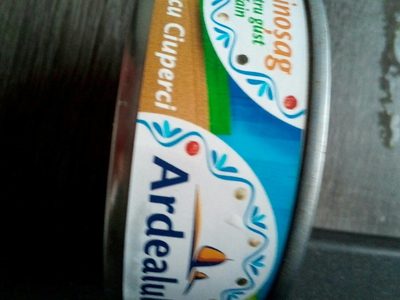
Ardealul Fainosag is listed on Mamori. It is sold under the Ardealul brand. On Mamori it sits under Additives › Miscellaneous › Vegetarian Product. Its label lists 18 ingredients.
Ardealul Fainosag at a glance
Ardealul Fainosag fits Vegan, Vegetarian, Pescatarian, Vegan + Dairy and Vegan + Eggs diets. It also carries the Crustaceans Free, Egg Free, Fish Free, Peanut Free, Dairy Free, Tree Nut Free, Mustard Free, Sesame Free, Sulfite Free, Lupin Free, Mollusks Free, Barley Free, Beef Free, Citrus Fruit Free, Corn Free, Gelatin Free, Lactose Free, Latex Free, No Added Sugars, Oats Free, Pork Free, Poultry Free, Rice Free and Rye Free badges. Nutrition-wise, it's Low Sugars, Low Fiber, Low Protein, Medium in Calories, Medium Carbs, Medium Salt/Sodium and Medium Saturated Fat. Worth knowing: it's marked Non-Low FODMAP, Contains Gluten, Contains Soy, Contains Celery, Contains Additives, Contains Artificial Flavourings, Contains Emulsifier, Contains Fructose, Contains Seed and Contains Wheat.
Diet and allergens
Suitable for vegan, vegetarian and pescatarian diets.
Contains gluten, soy and celery.
Free from crustaceans, eggs, fish, peanuts, milk, tree nuts, mustard, sesame, sulphites, lupin and molluscs.
Based on Mamori's check of the ingredients on the label. Recipes change, so always read the pack if you have an allergy or intolerance.
Last updated 2 November 2026
Ingredients
water, sunflower vegetable oil, soy protein, mushrooms, modified potato starch, wheat starch, vegetables, onions, celery, salt, thickening agent: carrageenan, flavor enhancer: monosodium glutamate, flavors, stabilizers, diphosphates, sodium tripolyphosphates, spices, antioxidant: sodium erythorbate
Additives & flavourings
Additives
- E407: Carrageenan (Thickener) (Stabiliser) (Gelling Agent): Some concerns
Carrageenan, or E407, is a thickening and gelling additive made from red seaweed. It is a large carbohydrate substance used to change the texture of foods.
It helps foods become thicker, creamier or more stable, and can also help gels form. It is often used in dairy desserts, flavoured milks, ice cream, plant-based drinks, sauces and processed meats.
It is allowed in food, but some concerns have been raised. EFSA found that people who eat a lot of foods containing carrageenan could go over the safe daily amount, so high intake is the main issue.
- E621: monosodium glutamate: Some concerns
Monosodium glutamate, or MSG (E621), is the sodium salt of glutamic acid, an amino acid found naturally in many foods. It is made as a purified flavour enhancer.
It boosts savoury “umami” taste and is used in foods such as soups, sauces, seasonings, savoury snacks, ready meals and processed meat or vegetable dishes.
It is allowed in food, but some concerns have been raised. EFSA found that people who eat a lot of foods containing glutamates can go over the safe daily amount, so exposure may be high for frequent consumers.
- E450: Diphosphates (I) Disodium Diphosphate (Ii) Trisodium Diphosphate (Iii) Tetrasodium Diphosphate (Iv) Dipotassium Diphosphate (V) Tetrapotassium Diphosphate (Vi) Dicalcium Diphosphate (Vii) Calcium Dihydrogen Diphosphate: Some concerns
Diphosphates (E450) are phosphate salts, including sodium, potassium and calcium diphosphates. They are mineral-based food additives used in several forms, such as disodium diphosphate and dicalcium diphosphate.
They help control acidity, improve texture, hold moisture, stabilise mixtures and support raising in baked goods. They may be found in processed meats, bakery products, cheese products, desserts, sauces and some powdered mixes.
They are allowed in food, but some concerns have been raised. EFSA found that people who eat a lot of foods containing phosphates can go over the safe daily amount, so high intake from many processed foods is the main issue.
- E451: Triphosphates (I) Sodium Triphosphate (Pentasodium Triphosphate) (Ii) Pentapotassium Triphosphate: Some concerns
Triphosphates (E451) are phosphate salts, mainly sodium triphosphate and potassium triphosphate. They are made from phosphoric acid compounds and are part of the wider group of phosphate additives.
They help foods hold water, keep texture stable, and improve emulsions. They are used in some processed meats, seafood, processed cheese, sauces, and other foods where moisture retention, stability, or thickening is needed.
E451 is allowed in food, but some concerns have been raised. EFSA found that people who eat a lot of foods containing phosphate additives can go over the safe daily amount, and people with kidney disease are often advised to limit phosphate intake.
- E318: Sodium Erythorbin[Citation Needed]: Not allowed in the EU (Regulation (EC) No 1333/2008, Article 4(1) and Annex II)
Sodium erythorbate (E318), sometimes called sodium isoascorbate, is the sodium salt of erythorbic acid. It is a synthetic antioxidant related in structure to vitamin C, but it is not used as a vitamin source.
In food, it helps slow oxidation, which can prevent colour and flavour changes. It is especially used in processed meats and cured products, where it helps maintain colour and supports the curing process. It may also be used in other foods where antioxidant protection is needed.
Sodium erythorbate is allowed in the EU within set limits. Its use is controlled by food additive rules that set where and how much may be added.
Flavourings
- flavors: Flavouring (Regulation (EC) No 1334/2008 on flavourings, Article 16).
Questions and answers
Is Ardealul Fainosag vegan?
Yes. It is suitable for a vegan diet.
Is Ardealul Fainosag vegetarian?
Yes. It is suitable for a vegetarian diet.
Is Ardealul Fainosag suitable for a pescatarian diet?
Yes. It is suitable for a pescatarian diet.
Is Ardealul Fainosag suitable for a Low FODMAP diet?
No. It is not suitable for a Low FODMAP diet.
Is Ardealul Fainosag suitable for a Vegan + Dairy diet?
Yes. It is suitable for a Vegan + Dairy diet.
Is Ardealul Fainosag suitable for a Vegan + Eggs diet?
Yes. It is suitable for a Vegan + Eggs diet.
Is Ardealul Fainosag gluten-free?
No. It contains gluten.
Does Ardealul Fainosag contain milk?
No. Its ingredients include no milk, and its label gives no milk warning.
Is Ardealul Fainosag nut-free?
Yes. Its ingredients include no peanuts or tree nuts, and its label gives no nut warning.
Does Ardealul Fainosag contain eggs?
No. Its ingredients include no eggs, and its label gives no egg warning.
Which allergens does Ardealul Fainosag contain?
It contains gluten, soy and celery.
More in Vegetarian Product
- Land Pathos
- Amo Essere Spinach and cheese fillets
- Gusto Pronto Mediterranean farro
- Beyond Original Plant Based Mince
- Knorr Minestea Primavera
- Beyond Tenders Chicken Style Plant Based Breaded Strips
- Star Vegetable broth
- Bio Organic Triangle with legumes
- Garden Gourmet Soy Slices
- Nestlé Veggie Meatballs
- Food For All Gustopiu
- Haldiram's Mutter paneer with tofu