
Donegal Catch Atlantic Plaice 450 g
Donegal Catch
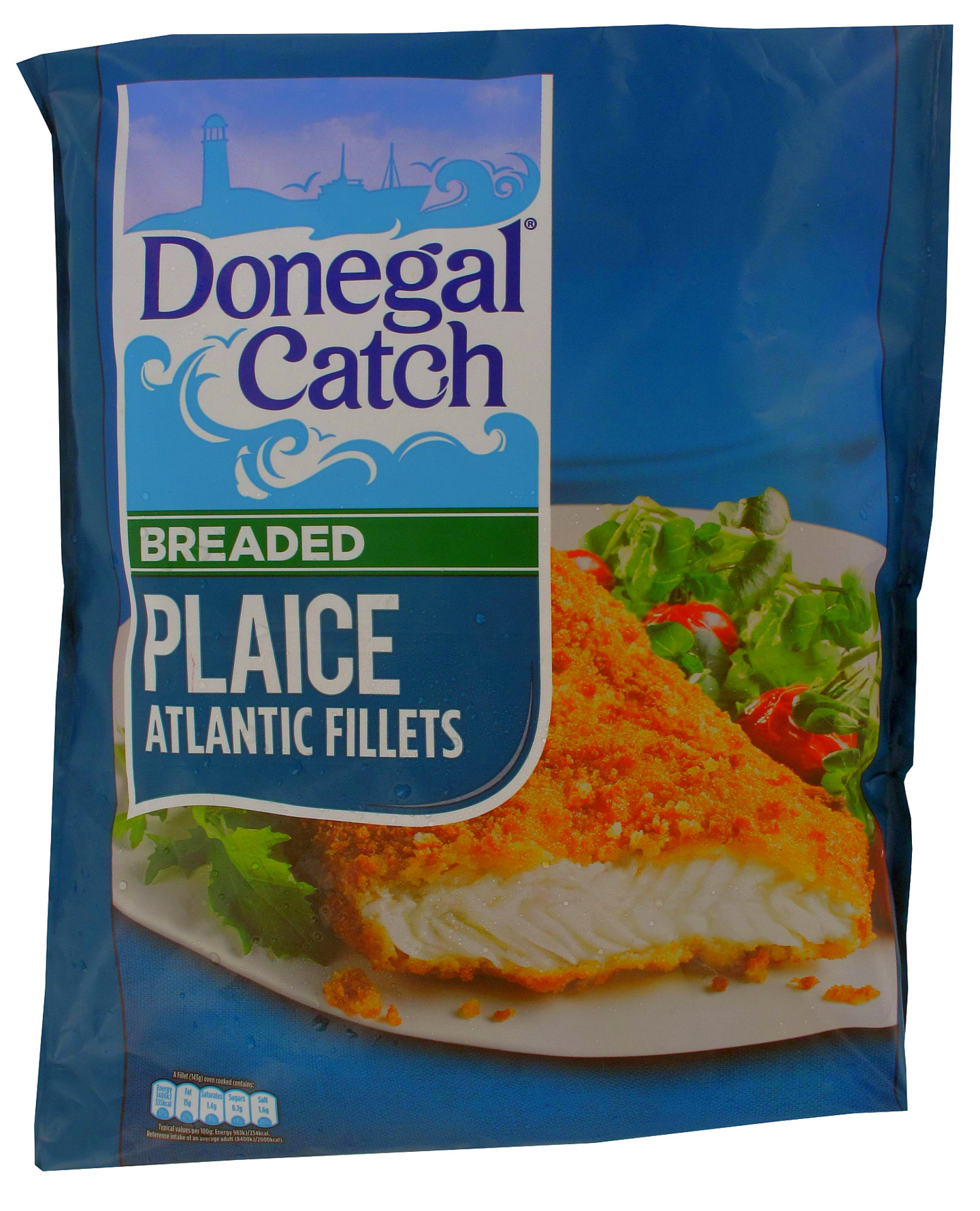
Donegal Catch Atlantic Plaice comes in a 450 g pack. It is sold under the Donegal Catch brand. On Mamori it sits under Meat and Seafood › Fish. Its label lists 21 ingredients.
Donegal Catch Atlantic Plaice at a glance
Donegal Catch Atlantic Plaice fits Vegan, Vegetarian, Pescatarian, Vegan + Dairy and Vegan + Eggs diets. It also carries the Crustaceans Free, Egg Free, Fish Free, Peanut Free, Soy Free, Dairy Free, Tree Nut Free, Celery Free, Sesame Free, Lupin Free, Mollusks Free, Barley Free, Beef Free, Citrus Fruit Free, Corn Free, Gelatin Free, Lactose Free, Latex Free, No Added Sugars, Oats Free, Pork Free, Poultry Free, Rice Free and Rye Free badges. Nutrition-wise, it's Low Saturated Fat, Low Sugars, Medium in Fiber, Medium in Protein, Medium in Calories, Medium Carbs and Medium Salt/Sodium. Worth knowing: it's marked Non-Low FODMAP, Contains Gluten, Contains Mustard, Contains Additives, Contains Artificial Flavourings, Contains Emulsifier, Contains Fructose, Contains Seed and Contains Wheat.
Diet and allergens
Suitable for vegan, vegetarian and pescatarian diets.
Contains gluten and mustard.
Free from crustaceans, eggs, fish, peanuts, soy, milk, tree nuts, celery, sesame, lupin and molluscs.
Based on Mamori's check of the ingredients on the label. Recipes change, so always read the pack if you have an allergy or intolerance.
Size: 450 g
Last updated 2 November 2026
Ingredients
plaice: pleuronectes platessa, wheat flour, Wheat Flour, calcium carbonate, iron, niacin, Thiamin, Rapeseed Oil, Water, salt, yeast, yeast extract, Wheat Starch, garlic powder, Onion Powder, Pepper, Mustard Powder, Flavourings, raising agents, disodium diphosphate, sodium bicarbonate
Additives & flavourings
Additives
- E170: Calcium Carbonate, Chalk: Generally safe
Calcium carbonate (E170), also known as chalk, is a naturally occurring mineral made of calcium, carbon and oxygen. For food use it is purified, and it may come from sources such as limestone or shells.
It is mainly used as a white colourant, but it can also help with acidity control, anti-caking, or as a calcium source in some foods. It may be found in confectionery, chewing gum, bakery products, decorations and some supplements or fortified foods.
It is generally considered safe at normal food amounts. It is authorised for use in the EU after safety assessment, and the sources checked raise no concern for typical dietary exposure.
- E450: Diphosphates (I) Disodium Diphosphate (Ii) Trisodium Diphosphate (Iii) Tetrasodium Diphosphate (Iv) Dipotassium Diphosphate (V) Tetrapotassium Diphosphate (Vi) Dicalcium Diphosphate (Vii) Calcium Dihydrogen Diphosphate: Some concerns
Diphosphates (E450) are phosphate salts, including sodium, potassium and calcium diphosphates. They are mineral-based food additives used in several forms, such as disodium diphosphate and dicalcium diphosphate.
They help control acidity, improve texture, hold moisture, stabilise mixtures and support raising in baked goods. They may be found in processed meats, bakery products, cheese products, desserts, sauces and some powdered mixes.
They are allowed in food, but some concerns have been raised. EFSA found that people who eat a lot of foods containing phosphates can go over the safe daily amount, so high intake from many processed foods is the main issue.
- E500: Sodium Carbonates: (I) Sodium Carbonate (Ii) Sodium Bicarbonate (Sodium Hydrogen Carbonate) (Iii) Sodium Sesquicarbonate (Acidity Regulator): Generally safe
Sodium carbonates (E500) are a group of sodium salts, including sodium carbonate, sodium bicarbonate and sodium sesquicarbonate. The best-known is sodium bicarbonate, also called bicarbonate of soda.
They are used to control acidity, help baked goods rise by releasing carbon dioxide, and reduce clumping in some powdered foods. They can be found in baking powders, biscuits, cakes, self-raising flour, cocoa mixes and other dry food mixes.
E500 is generally considered safe. It is allowed in food in the EU after safety assessment, and the sources checked do not raise concerns at normal food amounts.
Flavourings
- Flavourings: Flavouring (Regulation (EC) No 1334/2008 on flavourings, Article 16).
Questions and answers
Is Donegal Catch Atlantic Plaice vegan?
Yes. It is suitable for a vegan diet.
Is Donegal Catch Atlantic Plaice vegetarian?
Yes. It is suitable for a vegetarian diet.
Is Donegal Catch Atlantic Plaice suitable for a pescatarian diet?
Yes. It is suitable for a pescatarian diet.
Is Donegal Catch Atlantic Plaice suitable for a Low FODMAP diet?
No. It is not suitable for a Low FODMAP diet.
Is Donegal Catch Atlantic Plaice suitable for a Vegan + Dairy diet?
Yes. It is suitable for a Vegan + Dairy diet.
Is Donegal Catch Atlantic Plaice suitable for a Vegan + Eggs diet?
Yes. It is suitable for a Vegan + Eggs diet.
Is Donegal Catch Atlantic Plaice gluten-free?
No. It contains gluten.
Does Donegal Catch Atlantic Plaice contain milk?
No. Its ingredients include no milk, and its label gives no milk warning.
Is Donegal Catch Atlantic Plaice nut-free?
Yes. Its ingredients include no peanuts or tree nuts, and its label gives no nut warning.
Does Donegal Catch Atlantic Plaice contain eggs?
No. Its ingredients include no eggs, and its label gives no egg warning.
Which allergens does Donegal Catch Atlantic Plaice contain?
It contains gluten and mustard.
More in Fish
- GASTRONOMIA DI MARE Lieschen Fish Fillet
- Despar enjoy It Was About Time Tuna
- Frosta Alaska pollock
- Findus Potato and Rosemary Gratin
- Findus Cod fillets
- Coraya Surimi Sticks and Mayonnaise Sauce Les Petits
- Ikroff Dried And Salted Yellowstriped Scad
- Donregal Catch Natural Salmon
- Sainsbury’s Chunky 6 Cod fish fingers
- Awrat Fillet (seabream) (local farmed) Fish
- Rio Mare Sardines Oo
- Findus 15 Croustibat