
Cuetara Choco Flakes 550 g
Cuetara
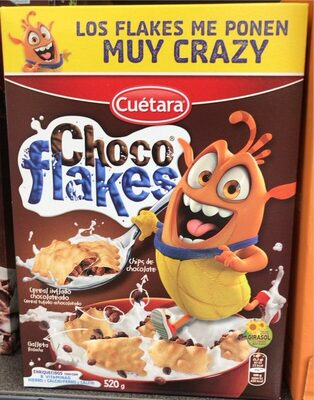
Cuetara Choco Flakes comes in a 550 g pack. It is sold under the Cuetara brand. On Mamori it sits under Groceries › Cereal & Breakfast Biscuits › Chocolate Cereals. Its label lists 37 ingredients.
Cuetara Choco Flakes at a glance
Cuetara Choco Flakes fits Vegetarian and Pescatarian diets. It also carries the Crustaceans Free, Fish Free, Peanut Free, Tree Nut Free, Celery Free, Mustard Free, Sesame Free, Lupin Free, Mollusks Free, Beef Free, Citrus Fruit Free, Gelatin Free, Latex Free, Oats Free, Pork Free and Rye Free badges. Nutrition-wise, it's High Calorie, High Carbs, High in Sugars, Medium in Fiber, Medium in Protein, Medium Salt/Sodium and Medium Saturated Fat. Worth knowing: it's marked Non-Vegan, Non-Low FODMAP, Non-Vegan + Dairy, Non-Vegan + Eggs, Contains Gluten, Contains Soy, Contains Sulfite, Contains Additives, Contains Artificial Flavourings, Contains Barley, Contains Corn, Contains Emulsifier, Contains Fructose, Lactose, Contains Added Sugars, Contains Poultry, Contains Rice, Contains Seed and Contains Wheat.
Diet and allergens
Suitable for vegetarian and pescatarian diets.
Not suitable for a vegan diet.
Contains gluten, soy and sulphites.
Free from crustaceans, fish, peanuts, tree nuts, celery, mustard, sesame, lupin and molluscs.
May contain: fruits of shell, Milk, EGG.
Based on Mamori's check of the ingredients on the label. Recipes change, so always read the pack if you have an allergy or intolerance.
Size: 550 g
Last updated 2 November 2026
Ingredients
Wheat Flour, sugar, High Oleic Sunflower Oil, Glucose and fructose syrup, emulsifier: lecithin, salt, Raising Agent: Sodium Carbonate, vitamins and minerals, Vitamin A, Vitamin D, Vitamin E, thiamine: Vitamin B1, Riboflavin: Vitamin B2, niacin: Vitamin B3, Vitamin B6, Pantothenic acid, calcium carbonate, elemental iron, Flavourings, colour: E150d, Flour Treatment Agent: Sodium Metabisulphite, chocolate chips, sugar, Cocoa paste, cocoa butter, Emulsifier: soy lecithin, chocolate puffed rice, rice, corn, sugar, lean cocoa powder, Glucose Syrup, BARLEY Malt Extract, Sunflower oil, salt, Emulsifier: soy lecithin, Flavourings
Additives & flavourings
Additives
- E322: Lecithins: Generally safe
Lecithins (E322) are a group of natural fatty substances found in plants and animals. Food-grade lecithin is usually made from soya, sunflower, rapeseed or egg, and in some cases may be animal derived.
They are mainly used as emulsifiers, helping oil and water mix and keeping textures smooth. They are found in foods such as chocolate, spreads, baked goods, sauces, margarines and instant powders.
Lecithins are generally considered safe at normal food amounts and are allowed in the EU after safety assessment. People with relevant allergies should note the source, especially soya or egg.
- E500: Sodium Carbonates: (I) Sodium Carbonate (Ii) Sodium Bicarbonate (Sodium Hydrogen Carbonate) (Iii) Sodium Sesquicarbonate (Acidity Regulator): Generally safe
Sodium carbonates (E500) are a group of sodium salts, including sodium carbonate, sodium bicarbonate and sodium sesquicarbonate. The best-known is sodium bicarbonate, also called bicarbonate of soda.
They are used to control acidity, help baked goods rise by releasing carbon dioxide, and reduce clumping in some powdered foods. They can be found in baking powders, biscuits, cakes, self-raising flour, cocoa mixes and other dry food mixes.
E500 is generally considered safe. It is allowed in food in the EU after safety assessment, and the sources checked do not raise concerns at normal food amounts.
- E306: Tocopherol-Rich Extract: Generally safe
Tocopherol-rich extract (E306) is a natural form of vitamin E, made up of mixed tocopherols usually obtained from vegetable oils such as soya, sunflower or rapeseed oil.
It is used as an antioxidant, helping to slow rancidity and protect fats and oils from oxidation. It can be found in foods containing oils or fats, such as margarines, dressings, baked goods, snacks and some processed foods.
E306 is allowed in food in the EU after safety assessment. It is generally considered safe at normal amounts used in food, and the sources checked raise no specific concern.
- E170: Calcium Carbonate, Chalk: Generally safe
Calcium carbonate (E170), also known as chalk, is a naturally occurring mineral made of calcium, carbon and oxygen. For food use it is purified, and it may come from sources such as limestone or shells.
It is mainly used as a white colourant, but it can also help with acidity control, anti-caking, or as a calcium source in some foods. It may be found in confectionery, chewing gum, bakery products, decorations and some supplements or fortified foods.
It is generally considered safe at normal food amounts. It is authorised for use in the EU after safety assessment, and the sources checked raise no concern for typical dietary exposure.
- E150D: Sulfite Ammonia Caramel (E150d): Some concerns
Sulphite ammonia caramel (E150d) is a dark brown food colour. It is a type of caramel colour made by heating sugars with sulphite and ammonia compounds, producing a stable colouring mixture rather than a flavour caramel.
It is used to give foods and drinks a brown colour and to keep colour consistent. It is commonly found in cola-style soft drinks, sauces, soups, beers, vinegars, and some processed savoury foods.
It is allowed for use, but some concerns have been raised because 4-methylimidazole, a by-product that can form when making these caramel colours, is classed by IARC as possibly causing cancer (Group 2B).
- E223: Sodium Metabisulfite: Some concerns
Sodium metabisulphite (E223) is a sulphite preservative, also called sodium metabisulfite. It is a sodium salt that releases sulphur dioxide, the active preserving substance, in food and drink.
It helps slow spoilage, browning and oxidation. It is used in some dried fruit, wine, cider, beer, fruit preparations, processed potatoes, crustaceans and other foods where sulphites are allowed.
It is allowed, but some concerns have been raised. EFSA found that people who eat a lot of sulphite-containing foods can go over the safe daily amount, and sulphites can also trigger reactions in some sensitive people.
Flavourings
- Flavourings: Flavouring (Regulation (EC) No 1334/2008 on flavourings, Article 16).
- Flavourings: Flavouring (Regulation (EC) No 1334/2008 on flavourings, Article 16).
Questions and answers
Is Cuetara Choco Flakes vegan?
No. It is not suitable for a vegan diet.
Is Cuetara Choco Flakes vegetarian?
Yes. It is suitable for a vegetarian diet.
Is Cuetara Choco Flakes suitable for a pescatarian diet?
Yes. It is suitable for a pescatarian diet.
Is Cuetara Choco Flakes suitable for a Low FODMAP diet?
No. It is not suitable for a Low FODMAP diet.
Is Cuetara Choco Flakes suitable for a Vegan + Dairy diet?
No. It is not suitable for a Vegan + Dairy diet.
Is Cuetara Choco Flakes suitable for a Vegan + Eggs diet?
No. It is not suitable for a Vegan + Eggs diet.
Is Cuetara Choco Flakes gluten-free?
No. It contains gluten.
Is Cuetara Choco Flakes nut-free?
Yes. Its ingredients include no peanuts or tree nuts, and its label gives no nut warning.
Which allergens does Cuetara Choco Flakes contain?
It contains gluten, soy and sulphites. Its label also says it may contain: fruits of shell, Milk, EGG.
More in Chocolate Cereals
- Amanhecer Cereais Linha Chocolate
- Bjorg Crunchy chocolate stars
- Vitabella Food - Molino Nicoli Organic Cocoa Stars
- Crownfield Pillows chocolate hazelnut flavor
- Crownfield Choco rice
- Deco Cioko Shells
- Viva Cacao Cream Filled Cereal Pillows
- Turtle Cereals Cocoa Smiles
- Waitrose Chocolate Pops
- Deco Choco Sphere Ciocco
- Kitkat Crunchy Cereal
- Crownfield Choco Cookie