
Powerade Citrus
Powerade
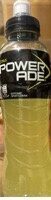
Powerade Citrus is listed on Mamori. It is sold under the Powerade brand. On Mamori it sits under Beverages › Energy & Sports Drinks › Energy Drinks. Its label lists 14 ingredients.
Powerade Citrus at a glance
Powerade Citrus fits Vegan, Vegetarian, Pescatarian, Vegan + Dairy and Vegan + Eggs diets. It also carries the Gluten Free, Crustaceans Free, Egg Free, Fish Free, Peanut Free, Soy Free, Dairy Free, Tree Nut Free, Celery Free, Mustard Free, Sesame Free, Sulfite Free, Lupin Free, Mollusks Free, Barley Free, Beef Free, Citrus Fruit Free, Gelatin Free, Lactose Free, Latex Free, Oats Free, Pork Free, Poultry Free, Rice Free, Rye Free, Seed Free and Wheat Free badges. Nutrition-wise, it's Low Calorie, Low Carbs, Low Salt/Sodium, Low Saturated Fat, Low Fiber, Low Protein and Medium in Sugars. Worth knowing: it's marked Non-Low FODMAP, Contains Additives, Contains Artificial Flavourings, Contains Corn, Contains Emulsifier, Contains Fructose and Contains Added Sugars.
Diet and allergens
Suitable for vegan, vegetarian and pescatarian diets.
Free from all 14 major allergens: gluten, crustaceans, eggs, fish, peanuts, soy, milk, tree nuts, celery, mustard, sesame, sulphites, lupin and molluscs.
Based on Mamori's check of the ingredients on the label. Recipes change, so always read the pack if you have an allergy or intolerance.
Last updated 26 October 2026
Ingredients
water, dextrose, fructose, acidifier citric acid, sodium chloride, flavors, stabilizers, E414, E445, sweeteners, sucralose, acesulfame K, color E104, vitamin B6
Additives & flavourings
Additives
- E330: Citric Acid: Generally safe
Citric acid (E330) is a natural organic acid found in citrus fruits and many other plants. The citric acid used in food is usually made by fermentation of sugars using micro-organisms.
It is used as an acidity regulator and antioxidant. It helps give a sharp, sour taste, control pH, and slow colour or flavour changes. It is common in soft drinks, sweets, jams, sauces, canned foods, and many processed foods.
Citric acid is generally considered safe at normal food levels. It is allowed in food in the EU after safety assessment, and the sources checked raise no concern for typical dietary amounts.
- E414: Gum Arabic (Acacia Gum): Generally safe
Gum arabic, or acacia gum, is E414. It is a natural gum obtained from the dried sap of acacia trees. It is a soluble dietary fibre made mainly of complex carbohydrates.
In food, it is used as a thickener, stabiliser and emulsifier. It helps keep mixtures even, improves texture, and can help hold flavours or colours in place. It may be found in sweets, soft drinks, icings, baked goods and flavourings.
It is generally considered safe at normal food amounts. It is authorised for use in the EU after safety assessment, and the sources checked raise no concern for typical use.
- E445: Glycerol Esters Of Wood Rosins: Generally safe
Glycerol esters of wood rosins, or E445, are emulsifiers and stabilisers made by reacting glycerol with refined wood rosin, a resin obtained from pine tree stumps. They are oily, resin-based substances that are not the same as ordinary glycerol.
In food, E445 helps keep flavour oils evenly mixed in water-based drinks, especially cloudy or citrus-flavoured soft drinks. It can also help stabilise emulsions where small oil droplets need to stay suspended.
E445 is generally considered safe at normal food-use levels. It is authorised for use in the EU after safety assessment, and the sources checked do not raise concerns for typical amounts in foods.
- E955: Sucralose (Trichlorogalactosucrose): Generally safe
Sucralose (E955), also called trichlorogalactosucrose, is an artificial high-intensity sweetener. It is made by chemically modifying sugar, which makes it taste very sweet while adding little or no energy in the small amounts used.
It is used to sweeten foods and drinks without using much sugar. You may find it in low-sugar or sugar-free drinks, desserts, yoghurts, chewing gum, tabletop sweeteners, and some special diet foods.
Sucralose is generally considered safe at normal amounts. It is authorised for use in the EU after safety assessment, and the sources checked raise no concern for typical food use.
- E950: Acesulfame K: Generally safe
Acesulfame K, also called acesulfame potassium or E950, is an artificial sweetener. It is a potassium salt of a synthetic sweet-tasting compound and is much sweeter than sugar, so only small amounts are used.
It is used to sweeten foods and drinks without adding much energy. It is often found in sugar-free or reduced-sugar soft drinks, desserts, chewing gum, tabletop sweeteners and some special dietary foods.
It is generally considered safe at normal amounts. It is authorised for use in the EU after safety assessment, and the sources checked raise no concern when it is used within permitted limits.
- E104: Quinoline Yellow Ws: Some concerns
Quinoline Yellow (E104) is a synthetic yellow food colour. It is also known as Quinoline Yellow WS, with “WS” meaning water-soluble.
It is used to give foods and drinks a bright yellow or yellow-green colour. It may be found in coloured sweets, soft drinks, desserts, sauces, and other processed foods where a strong yellow colour is wanted.
It is permitted in the EU and UK, but some concerns have been raised. Foods containing E104 must carry a warning that it “may have an adverse effect on activity and attention in children”.
Flavourings
- flavors: Flavouring (Regulation (EC) No 1334/2008 on flavourings, Article 16).
Questions and answers
Is Powerade Citrus vegan?
Yes. It is suitable for a vegan diet.
Is Powerade Citrus vegetarian?
Yes. It is suitable for a vegetarian diet.
Is Powerade Citrus suitable for a pescatarian diet?
Yes. It is suitable for a pescatarian diet.
Is Powerade Citrus suitable for a Low FODMAP diet?
No. It is not suitable for a Low FODMAP diet.
Is Powerade Citrus suitable for a Vegan + Dairy diet?
Yes. It is suitable for a Vegan + Dairy diet.
Is Powerade Citrus suitable for a Vegan + Eggs diet?
Yes. It is suitable for a Vegan + Eggs diet.
Is Powerade Citrus gluten-free?
Yes. Its ingredients include no gluten, and its label gives no gluten warning.
Does Powerade Citrus contain milk?
No. Its ingredients include no milk, and its label gives no milk warning.
Is Powerade Citrus nut-free?
Yes. Its ingredients include no peanuts or tree nuts, and its label gives no nut warning.
Does Powerade Citrus contain eggs?
No. Its ingredients include no eggs, and its label gives no egg warning.
More in Energy Drinks
- Lidl Freeway Freeway Colossus Energy Drink 50cl
- Milk Energy Drink
- Kong Strong Wild Power
- POWER ADE ISOTONIC SPORTS DRINK
- Bolero B Energy Mango
- Urban Classic Energy Drinklidl KONG STRONG Wild Power
- Optimum nutrition Pre workout Shot Orange
- Monster Energy Drink
- Relentless Zero Peach Energy Drink
- Relentless Fruit Punch Energy Drink
- Powerbar Black Line Magnesium Liquid Shot
- Powerade Red Orange