
SPORTWELL Crispy raspberry-flavored protein bar
On the pack: Chrupiący baton proteinowy o smaku malinowym
SPORTWELL
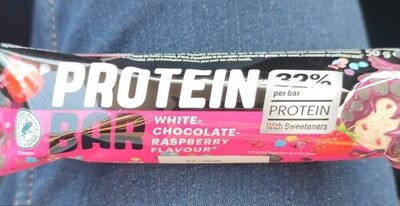
SPORTWELL Crispy raspberry-flavored protein bar is listed on Mamori. It is sold under the SPORTWELL brand. On Mamori it sits under Confectionery › Nut & Cereal Bars › Protein Bars. Its label lists 41 ingredients.
SPORTWELL Crispy raspberry-flavored protein bar at a glance
SPORTWELL Crispy raspberry-flavored protein bar carries the Crustaceans Free, Fish Free, Celery Free, Mustard Free, Sesame Free, Sulfite Free, Lupin Free, Mollusks Free, Citrus Fruit Free, Latex Free, Oats Free, Rye Free and Wheat Free badges. Nutrition-wise, it's High Protein, Low Sugars, Low Fiber, High Carbs, High Saturated Fat, Medium in Calories and Medium Salt/Sodium. Worth knowing: it's marked Non-Vegan, Non-Vegetarian, Non-Pescatarian, Non-Low FODMAP, Non-Vegan + Dairy, Non-Vegan + Eggs, Contains Soy, Contains Dairy, Contains Additives, Contains Artificial Flavourings, Contains Barley, Contains Beef, Contains Corn, Contains Emulsifier, Contains Fructose, Contains Gelatin, Lactose, Contains Added Sugars, Contains Pork, Contains Poultry, Contains Rice and Contains Seed.
Diet and allergens
Not suitable for vegan, vegetarian or pescatarian diets.
Contains soy and milk.
Free from crustaceans, fish, celery, mustard, sesame, sulphites, lupin and molluscs.
May contain: nuts, eggs, peanuts, cereals containing gluten.
Based on Mamori's check of the ingredients on the label. Recipes change, so always read the pack if you have an allergy or intolerance.
Last updated 13 November 2026
Ingredients
white chocolate with maltitol, sweetener: maltitol, cocoa butter, whole milk powder, emulsifier: lecithins, vanilla extract, raspberry-flavored filling with maltitol, sweetener: maltitol, condensed milk, cocoa butter, acid: citric acid, humectant: sorbitol, emulsifier: mono- and diglycerides of fatty acids, flavor, salt, natural raspberry flavor, colorant: anthocyanins, milk proteins, hydrolyzed beef collagen protein, cocoa-soy crisps, soy protein, cocoa powder, cassava starch: tapioca, humectant: glycerol, colored sprinkles with maltitol, sweetener: maltitol, potato starch, rice starch, cocoa butter, colorants: carotenes, curcumin, brilliant blue FCF, betanin, anthocyanins, palm fat, soy protein, flavor, freeze-dried raspberries, salt, bulking agent: microcrystalline cellulose, sweetener: sucralose
Additives & flavourings
Additives
- E965: Maltitol (I) Maltitol (Ii) Maltitol Syrup (Sweetener) (Stabiliser): Generally safe
Maltitols (E965) are sugar alcohol sweeteners. They include maltitol and maltitol syrup, made from starch sugars such as maltose, usually from maize or wheat starch.
They are used to sweeten foods with less sugar, add bulk, help keep moisture, and sometimes give a smooth texture or glossy coating. They are common in sugar-free sweets, chewing gum, chocolate, desserts, baked goods and low-sugar products.
Maltitols are generally considered safe at normal amounts and are authorised for use in the EU after safety assessment. Like other sugar alcohols, larger amounts can cause bloating or a laxative effect in some people.
- E322: Lecithins: Generally safe
Lecithins (E322) are a group of natural fatty substances found in plants and animals. Food-grade lecithin is usually made from soya, sunflower, rapeseed or egg, and in some cases may be animal derived.
They are mainly used as emulsifiers, helping oil and water mix and keeping textures smooth. They are found in foods such as chocolate, spreads, baked goods, sauces, margarines and instant powders.
Lecithins are generally considered safe at normal food amounts and are allowed in the EU after safety assessment. People with relevant allergies should note the source, especially soya or egg.
- E330: Citric Acid: Generally safe
Citric acid (E330) is a natural organic acid found in citrus fruits and many other plants. The citric acid used in food is usually made by fermentation of sugars using micro-organisms.
It is used as an acidity regulator and antioxidant. It helps give a sharp, sour taste, control pH, and slow colour or flavour changes. It is common in soft drinks, sweets, jams, sauces, canned foods, and many processed foods.
Citric acid is generally considered safe at normal food levels. It is allowed in food in the EU after safety assessment, and the sources checked raise no concern for typical dietary amounts.
- E420: Sorbitol (I) Sorbitol (Ii) Sorbitol Syrup (Emulsifier) (Sweetener): Generally safe
Sorbitols (E420) are sugar alcohols used as food additives. They include sorbitol and sorbitol syrup, made from glucose, often from starch sources. Despite the name, they are not alcoholic drinks.
They are used to add sweetness, keep foods moist, improve texture, and help stabilise mixtures. They are often found in sugar-free sweets and chewing gum, desserts, baked goods, sauces, and some processed foods.
Sorbitols are generally considered safe at normal food amounts. They are authorised for use in the EU after safety assessment, and the sources checked raise no concern for typical intake.
- E471: Mono- And Diglycerides Of Fatty Acids (Glyceryl Monostearate, Glyceryl Distearate): Generally safe
Mono- and diglycerides of fatty acids, or E471, are emulsifiers made from glycerol and fatty acids. The fatty acids can come from vegetable oils or animal fats, so the source is not always clear unless stated by the producer.
They help oil and water mix, improve texture, and keep foods stable. They are often used in baked goods, spreads, desserts, ice cream, sauces, and processed foods where a smooth or consistent texture is needed.
E471 is generally considered safe. It is allowed in food in the EU after safety assessment, and the sources we check raise no concern at normal amounts.
- E163: Anthocyanins: Generally safe
Anthocyanins (E163) are natural red, purple and blue colourants. They are pigments found in plants, especially in fruits and vegetables such as berries, grapes, red cabbage and black carrots.
In food, E163 is used to add or restore red to purple shades. It can be found in products such as sweets, drinks, desserts, jams and some processed foods where a plant-based colour is needed.
Anthocyanins are generally considered safe at normal food-use levels. They are allowed in food in the EU after EFSA safety assessment, and the sources checked raise no concern at typical amounts.
- E422: Glycerol (Emulsifier): Generally safe
Glycerol, or E422, is a clear, sweet-tasting liquid also known as glycerine. It is a type of sugar alcohol and can be made from vegetable oils, animal fats, or produced synthetically.
In food, it helps keep moisture in, thickens texture, stabilises mixtures, and can help emulsions stay smooth. It is used in a range of foods where softness, moisture retention, or smooth texture is needed, such as confectionery, baked goods, icings, and some drinks.
Glycerol is generally considered safe at normal food amounts. It is allowed in food in the EU after safety assessment, and the sources checked raise no concern for typical use.
- E160a: Carotenes: Generally safe
Carotenes (E160a) are orange-yellow colourants, including alpha-carotene, beta-carotene and gamma-carotene. They are pigments found naturally in plants such as carrots and leafy greens, and can also be made synthetically or obtained from natural sources. Some forms may be animal derived.
They are used to add or restore yellow to orange colour in foods. They may be found in products such as margarines, dairy products, desserts, sauces, drinks and confectionery.
E160a is allowed in food in the EU after safety assessment. It is generally considered safe at normal food amounts, and the sources checked raise no concern for typical use.
- E100: Curcumin (From Turmeric): Generally safe
Curcumin (E100) is a yellow-orange food colour made from turmeric, the spice from the root of the Curcuma longa plant. It is the main natural pigment in turmeric and may also be produced as a purified extract for food use.
It is used to give foods a yellow to orange colour. It can be found in products such as sauces, soups, snacks, confectionery, dairy products and processed foods where a warm yellow colour is wanted.
Curcumin is generally considered safe at normal food amounts. It is allowed for use in the EU after EFSA safety assessment, and the sources checked do not raise concerns for typical dietary exposure.
- E133: Brilliant Blue Fcf (Fd&C Blue 1): Some concerns
Brilliant Blue FCF (E133), also known as FD&C Blue 1, is a synthetic blue food colour. It is a water-soluble dye made from petroleum-derived chemical compounds.
It is used to give foods and drinks a bright blue colour, or mixed with other colours to make shades such as green or purple. It can be found in sweets, soft drinks, desserts, ice lollies, decorations and some processed snack foods.
It is allowed for use, but some concerns have been raised. EFSA found that people who eat a lot of foods containing E133 may exceed the safe daily amount, so over-exposure is the main issue.
- E162: Beetroot Red, Betanin: Generally safe
Beetroot Red, or betanin (E162), is a natural red food colour made mainly from beetroot. Its main colouring substance is betanin, a plant pigment from the betalain family.
It is used to give foods a red, pink, or purple colour. It may be found in products such as yoghurts, desserts, ice creams, sweets, sauces, and some drinks, especially where a plant-based colour is wanted.
It is generally considered safe at normal food levels. It is authorised for use in the EU after EFSA safety assessment, and the checked sources raise no concern for typical amounts in food.
- E460: Cellulose (I) Microcrystalline Cellulose (Ii) Powdered Cellulose: Generally safe
Cellulose (E460) is a plant fibre and a form of carbohydrate found naturally in the cell walls of plants. As an additive it includes microcrystalline cellulose and powdered cellulose, usually made from purified plant material such as wood pulp or cotton.
It is used as a thickener, stabiliser, anti-caking agent and bulking agent. It can help improve texture, keep ingredients evenly mixed, or stop powders from clumping, and may be found in foods such as grated cheese, sauces, bakery products, low-energy foods and powdered mixes.
Cellulose (E460) is generally considered safe. It is allowed in food in the EU after EFSA safety assessment, and the sources checked raise no concern at normal amounts.
- E955: Sucralose (Trichlorogalactosucrose): Generally safe
Sucralose (E955), also called trichlorogalactosucrose, is an artificial high-intensity sweetener. It is made by chemically modifying sugar, which makes it taste very sweet while adding little or no energy in the small amounts used.
It is used to sweeten foods and drinks without using much sugar. You may find it in low-sugar or sugar-free drinks, desserts, yoghurts, chewing gum, tabletop sweeteners, and some special diet foods.
Sucralose is generally considered safe at normal amounts. It is authorised for use in the EU after safety assessment, and the sources checked raise no concern for typical food use.
Flavourings
- flavor: Flavouring (Regulation (EC) No 1334/2008 on flavourings, Article 16).
- natural raspberry flavor: Natural raspberry flavouring.
- flavor: Flavouring.
Questions and answers
Is SPORTWELL Crispy raspberry-flavored protein bar vegan?
No. It contains milk, so it is not suitable for a vegan diet.
Is SPORTWELL Crispy raspberry-flavored protein bar vegetarian?
No. It is not suitable for a vegetarian diet.
Is SPORTWELL Crispy raspberry-flavored protein bar suitable for a pescatarian diet?
No. It is not suitable for a pescatarian diet.
Is SPORTWELL Crispy raspberry-flavored protein bar suitable for a Low FODMAP diet?
No. It is not suitable for a Low FODMAP diet.
Is SPORTWELL Crispy raspberry-flavored protein bar suitable for a Vegan + Dairy diet?
No. It is not suitable for a Vegan + Dairy diet.
Is SPORTWELL Crispy raspberry-flavored protein bar suitable for a Vegan + Eggs diet?
No. It is not suitable for a Vegan + Eggs diet.
Does SPORTWELL Crispy raspberry-flavored protein bar contain milk?
Yes. It contains milk.
Which allergens does SPORTWELL Crispy raspberry-flavored protein bar contain?
It contains soy and milk. Its label also says it may contain: nuts, eggs, peanuts, cereals containing gluten.
More in Protein Bars
- maxi NUTRITION Cookie Caramel Protein Bar
- IronMaxx Vegan Protein Bar Cookies & Cream Geschmack
- Crownfield High Protein Barretta Proteica
- Eat Natural Peanut & Dark Chocolate Proteins
- Sponser CRUNCHY PROTEIN BAR
- Sportyfeel Crunchy Protein Bar Raspberry Flavour
- Yoga bar protein muesli + choco almond + cranberry
- maxi NUTRITION Protein Nut Bar Dark Chocolate Peanut
- Cerealitalia 20+PRO Peanuts & Salted Caramel
- Snickers Hi Protein Lowsugar Peanut Butter Flavour
- Sportyfeel protein bar cookies flavor
- Sportyfeel Crunchy Caramel Crisp