
Banga Salmon In Teriyaki Sauce 120 g
Banga
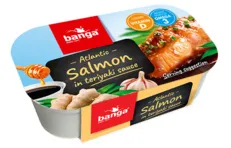
Banga Salmon In Teriyaki Sauce comes in a 120 g pack. It is sold under the Banga brand. On Mamori it sits under Meat and Seafood › Fish › Salmon Fillets. Its label lists 19 ingredients.
Banga Salmon In Teriyaki Sauce at a glance
Banga Salmon In Teriyaki Sauce fits a Pescatarian diet. It also carries the Gluten Free, Crustaceans Free, Egg Free, Peanut Free, Tree Nut Free, Celery Free, Mustard Free, Sesame Free, Lupin Free, Mollusks Free, Barley Free, Beef Free, Citrus Fruit Free, Gelatin Free, Latex Free, Oats Free, Pork Free, Poultry Free and Rye Free badges. Nutrition-wise, it's High Protein, Low Fiber, High Salt/Sodium, Medium in Calories, Medium Carbs, Medium Saturated Fat and Medium in Sugars. Worth knowing: it's marked Non-Vegan, Non-Vegetarian, Non-Low FODMAP, Non-Vegan + Dairy, Non-Vegan + Eggs, Contains Fish, Contains Soy, Contains Additives, Contains Artificial Flavourings, Contains Corn, Contains Emulsifier, Contains Fructose, Lactose, Contains Added Sugars, Contains Rice, Contains Seed and Contains Wheat.
Diet and allergens
Suitable for a pescatarian diet.
Not suitable for vegan or vegetarian diets.
Contains fish and soy.
Free from gluten, crustaceans, eggs, peanuts, tree nuts, celery, mustard, sesame, lupin and molluscs.
Based on Mamori's check of the ingredients on the label. Recipes change, so always read the pack if you have an allergy or intolerance.
Size: 120 g
Last updated 26 October 2026
Ingredients
Atlantic Salmon, Atlantic Salmon:Scotland, Teriyaki Sauce, Water, Flavouring, Soybeans, Maltodextrin, Salt, Caramel Powder, Rapeseed Oil, Natural Flavouring, Sugar, Thickener, Modified Starches E1422, Modified Starches E1414, Guar Gum, Locust Bean Gum, Salt, Acidity Regulator: Acetic Acid
Additives & flavourings
Additives
- E1422: Acetylated Distarch Adipate (Stabiliser): Generally safe
Acetylated distarch adipate (E1422) is a modified starch. It is usually made from food starches such as maize, potato or tapioca, which are chemically treated to make them more stable during heating, freezing and mixing.
It is used as a thickener, stabiliser and texture improver. It helps foods stay smooth and consistent, especially in products such as sauces, soups, dairy desserts, pie fillings, frozen meals and processed foods.
E1422 is generally considered safe at normal food-use levels. It is allowed in the EU after safety assessment, and the sources checked do not raise concerns for typical amounts used in foods.
- E1414: Acetylated Distarch Phosphate (Emulsifier): Generally safe
Acetylated distarch phosphate (E1414) is a modified starch. It is made by treating starch, often from maize, potato or tapioca, so it becomes more stable during processing.
It helps thicken, stabilise and improve texture in foods, especially where heat, acidity, freezing or mixing could break down ordinary starch. It may be used in sauces, soups, fillings, desserts, dairy products and processed foods.
E1414 is allowed in food in the EU after safety assessment. It is generally considered safe at normal amounts used in food, and the sources checked raise no specific concern.
- E412: Guar Gum (Thickener): Generally safe
Guar gum (E412) is a thickening fibre made from the seeds of the guar plant, a type of legume. It is a natural polysaccharide, meaning a long-chain carbohydrate that absorbs water easily.
It is used to thicken, stabilise or improve texture in foods such as sauces, dressings, dairy products, ice cream, gluten-free baked goods and processed foods. It can also help stop ingredients from separating.
Guar gum is generally considered safe at normal food amounts. It is allowed in food in the EU after safety assessment, and the sources checked raise no concern for typical use.
- E410: Locust Bean Gum (Carob Gum) (Thickener) (Stabiliser) (Gelling Agent): Generally safe
Locust bean gum, or E410, is a natural gum made from the seeds of the carob tree. It is a type of soluble fibre and is also known as carob gum.
It is used to thicken, stabilise, and help give foods a smooth or gel-like texture. You may find it in products such as ice cream, dairy desserts, sauces, dressings, bakery fillings, and some processed foods.
It is generally considered safe at normal food-use amounts. It is allowed in the EU after EFSA safety assessment, and the sources checked raise no specific concern for typical dietary exposure.
- E260: Acetic Acid (Preservative): Generally safe
Acetic acid (E260) is the main acid in vinegar. It is a simple organic acid, usually made by fermentation of sugars or alcohol, or produced industrially to food-grade standards.
It is used as a preservative and acidity regulator. It helps give foods a sharp, sour taste and can slow the growth of some microbes. It is found in vinegar, pickles, sauces, dressings, marinades and some preserved foods.
It is generally considered safe at normal food amounts. It is authorised for use in foods in the EU after safety assessment, and the sources checked raise no specific concern for typical dietary exposure.
Flavourings
- Flavouring: Flavouring (Regulation (EC) No 1334/2008 on flavourings, Article 16).
- Natural Flavouring: Natural flavouring (Regulation (EC) No 1334/2008 on flavourings, Article 16).
Questions and answers
Is Banga Salmon In Teriyaki Sauce vegan?
No. It contains fish, so it is not suitable for a vegan diet.
Is Banga Salmon In Teriyaki Sauce vegetarian?
No. It is not suitable for a vegetarian diet.
Is Banga Salmon In Teriyaki Sauce suitable for a pescatarian diet?
Yes. It is suitable for a pescatarian diet.
Is Banga Salmon In Teriyaki Sauce suitable for a Low FODMAP diet?
No. It is not suitable for a Low FODMAP diet.
Is Banga Salmon In Teriyaki Sauce suitable for a Vegan + Dairy diet?
No. It is not suitable for a Vegan + Dairy diet.
Is Banga Salmon In Teriyaki Sauce suitable for a Vegan + Eggs diet?
No. It is not suitable for a Vegan + Eggs diet.
Is Banga Salmon In Teriyaki Sauce gluten-free?
Yes. Its ingredients include no gluten, and its label gives no gluten warning.
Is Banga Salmon In Teriyaki Sauce nut-free?
Yes. Its ingredients include no peanuts or tree nuts, and its label gives no nut warning.
Does Banga Salmon In Teriyaki Sauce contain eggs?
No. Its ingredients include no eggs, and its label gives no egg warning.
Which allergens does Banga Salmon In Teriyaki Sauce contain?
It contains fish and soy.