
7days Bake Rolls Pizza 150 g
7days
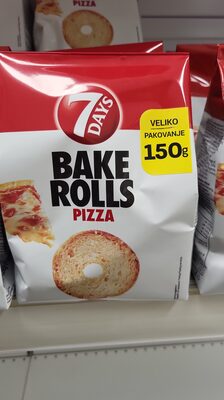
7days Bake Rolls Pizza comes in a 150 g pack. It is sold under the 7days brand. On Mamori it sits under Snacks › Snacks & Crisps › Crisp Bread. Its label lists 24 ingredients.
7days Bake Rolls Pizza at a glance
7days Bake Rolls Pizza carries the Crustaceans Free, Fish Free, Soy Free, Mustard Free, Sulfite Free, Lupin Free, Mollusks Free, Barley Free, Beef Free, Citrus Fruit Free, Gelatin Free, Latex Free, Oats Free, Pork Free, Poultry Free, Rice Free and Rye Free badges. Nutrition-wise, it's High Calorie, High Carbs, High Salt/Sodium, High Saturated Fat, Medium in Fiber, Medium in Protein and Medium in Sugars. Worth knowing: it's marked Non-Vegan, Non-Vegetarian, Non-Pescatarian, Non-Low FODMAP, Non-Vegan + Dairy, Non-Vegan + Eggs, Contains Gluten, Contains Dairy, Contains Additives, Contains Artificial Flavourings, Contains Corn, Contains Emulsifier, Contains Fructose, Lactose, Contains Added Sugars, Contains Seed and Contains Wheat.
Diet and allergens
Not suitable for vegan, vegetarian or pescatarian diets.
Contains gluten and milk.
Free from crustaceans, fish, soy, mustard, sulphites, lupin and molluscs.
May contain: Eggs, PEANUTS, hazelnuts, Almonds, Pistachios, Pecan Nuts, sesame, Celery.
Based on Mamori's check of the ingredients on the label. Recipes change, so always read the pack if you have an allergy or intolerance.
Size: 150 g
Last updated 26 October 2026
Ingredients
Wheat Flour, Palm Oil, pizza flavour, Dried Tomato, Natural Flavouring, dextrose, Dried Onion, Lactose, dried herbs, oregano, Cheese powder, Acidity Regulator: Citric Acid, Cayenne Pepper, Rapeseed Oil, colouring: paprika extract, smoke flavouring, salt, sugar, yeast, bean flour, emulsifier: sodium stearoyl-2-lactylate, Flour Treatment Agent: Ascorbic Acid, l cysteine, Wheat Starch
Additives & flavourings
Additives
- E330: Citric Acid: Generally safe
Citric acid (E330) is a natural organic acid found in citrus fruits and many other plants. The citric acid used in food is usually made by fermentation of sugars using micro-organisms.
It is used as an acidity regulator and antioxidant. It helps give a sharp, sour taste, control pH, and slow colour or flavour changes. It is common in soft drinks, sweets, jams, sauces, canned foods, and many processed foods.
Citric acid is generally considered safe at normal food levels. It is allowed in food in the EU after safety assessment, and the sources checked raise no concern for typical dietary amounts.
- E160c: Paprika Extract, Capsanthin, Capsorubin: Generally safe
Paprika extract, capsanthin and capsorubin (E160c) is a natural red-orange food colouring made from paprika peppers. The main colouring substances are carotenoids, especially capsanthin and capsorubin.
It is used to give or strengthen orange, red or reddish-brown colour in foods. It may be found in items such as cheeses, sauces, soups, snacks, meat products and seasonings.
It is generally considered safe at normal food-use amounts. It is authorised for use in the EU after EFSA safety assessment, and the sources checked raise no concern at typical levels of consumption.
- E481: Sodium Stearoyl-2-Lactylate: Some concerns
Sodium stearoyl-2-lactylate (E481) is an emulsifier and stabiliser made by combining stearic acid with lactic acid, then forming the sodium salt. The stearic acid can come from vegetable or animal fats.
It helps oil and water mix, strengthens dough, improves texture, and can help foods stay soft for longer. It is used especially in bread and bakery products, and may also be found in some desserts, processed potato products, and emulsified foods.
It is allowed in food, but some concerns have been raised. EFSA found that people who eat a lot of foods containing it could go over the safe daily amount.
- E300: Ascorbic Acid (Vitamin C): Generally safe
Ascorbic acid (E300) is vitamin C, a water-soluble substance found naturally in many fruits and vegetables. As a food additive, it is usually made by controlled industrial production and used in purified form.
It helps prevent oxidation, which can stop foods from browning or developing off-flavours. It can also adjust acidity. It is used in a range of foods, especially fruit products, drinks, bakery products, meat products and foods where colour or freshness needs protecting.
It is generally considered safe at normal food amounts. It is authorised for use in the EU after safety assessment, and EFSA’s re-evaluation did not raise concern for its use as a food additive.
- E920: L-Cysteine: Generally safe
L-cysteine (E920) is an amino acid, a building block of protein. It can be made by fermentation or extracted from protein-rich materials, and in some cases may be animal derived.
In food, it is mainly used as a flour treatment agent. It helps make dough easier to handle and is most often associated with bread, rolls and other baked goods.
It is generally considered safe at normal food amounts. It is allowed in food in the EU after safety assessment, and the sources checked raise no concern for typical use.
Flavourings
- pizza flavour: Flavouring (Regulation (EC) No 1334/2008 on flavourings, Article 16).
- Natural Flavouring: Natural flavouring (Regulation (EC) No 1334/2008 on flavourings, Article 16).
- smoke flavouring: Smoke flavouring (Regulation (EC) No 2065/2003 on smoke flavourings).
Questions and answers
Is 7days Bake Rolls Pizza vegan?
No. It contains milk, so it is not suitable for a vegan diet.
Is 7days Bake Rolls Pizza vegetarian?
No. It is not suitable for a vegetarian diet.
Is 7days Bake Rolls Pizza suitable for a pescatarian diet?
No. It is not suitable for a pescatarian diet.
Is 7days Bake Rolls Pizza suitable for a Low FODMAP diet?
No. It is not suitable for a Low FODMAP diet.
Is 7days Bake Rolls Pizza suitable for a Vegan + Dairy diet?
No. It is not suitable for a Vegan + Dairy diet.
Is 7days Bake Rolls Pizza suitable for a Vegan + Eggs diet?
No. It is not suitable for a Vegan + Eggs diet.
Is 7days Bake Rolls Pizza gluten-free?
No. It contains gluten.
Does 7days Bake Rolls Pizza contain milk?
Yes. It contains milk.
Which allergens does 7days Bake Rolls Pizza contain?
It contains gluten and milk. Its label also says it may contain: Eggs, PEANUTS, hazelnuts, Almonds, Pistachios, Pecan Nuts, sesame, Celery.
More in Crisp Bread
- Al campo Santiveri
- Ryvita Thins Wheat and Rye Flatbread with Sour Cream and Chive Flavouring
- Ryvita Wholegrain Crackerbread
- Supervalu Sesame crispbread
- Danvita Crisp Bread Cheese and Chives
- Danvita Crisp Bread with Vegetable
- Danvita Crisp Bread Cheese & Garlic flat bread
- Barilla wasa
- Nairn's Sourdough Flatbread
- Tastino Rye Whole Grain Crispbread
- Nairn's Fruit & Seed Oatcakes
- Van der Meulen Joy Of Melba Original Toast